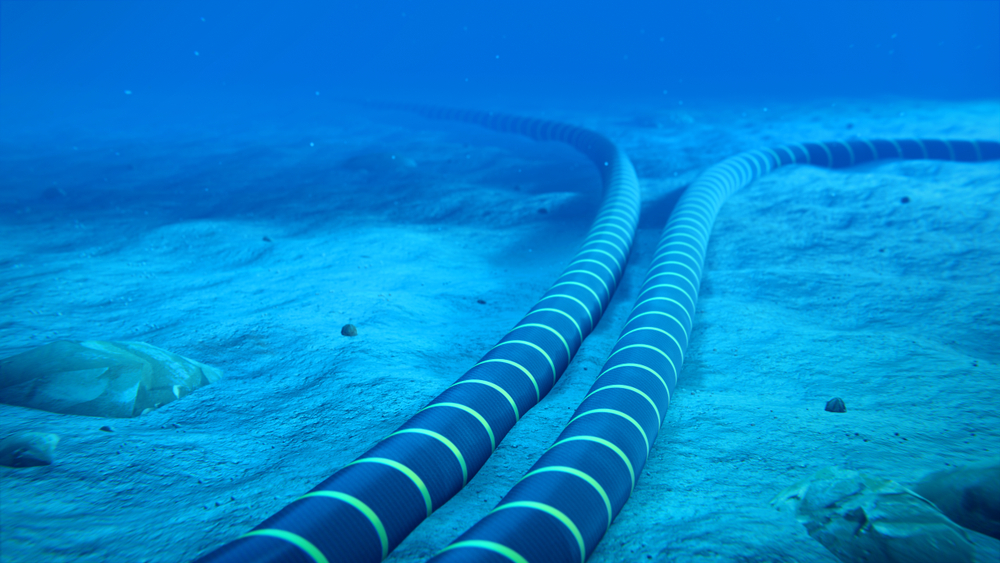
Submarine cables are the backbone of the Internet. Invisible to most users, they carry almost all global traffic. Yet these critical infrastructures are fragile.
Every year, hundreds of breaks disrupt international connectivity.
99% of Data Flows Underwater
According to the International Telecommunication Union (ITU), over 99% of international data exchanges travel through submarine cables. These fiber-optic lines, stretching 1.4 million kilometers, connect continents and enable commerce, finance, healthcare, and education.
150 to 200 Breaks Each Year
The International Cable Protection Committee (ICPC) reports 150 to 200 incidents annually. Most breaks are caused by ship anchors or fishing gear. Others result from earthquakes or sabotage.
Repairs are costly and can take several days.
A Strategic Vulnerability
These cables are vital for economic and digital security. Their fragility worries governments. Military operations or geopolitical tensions can increase risks.
The ITU urges stronger resilience for these critical infrastructures.
Breaking News: Red Sea Cuts
On September 7, 2025, Microsoft confirmed that several submarine cables were cut in the Red Sea, near Jeddah, Saudi Arabia. The incident caused slowdowns in Asia and the Middle East. The cause remains unclear: accident or sabotage?

A Region on Edge
These cuts come amid regional instability. Yemen’s Houthi rebels regularly attack ships in the Gulf of Aden. While they deny involvement, suspicions remain.
This episode highlights the vulnerability of global networks to regional crises.