1. What’s exactly happening with Donald Trump’s hands?
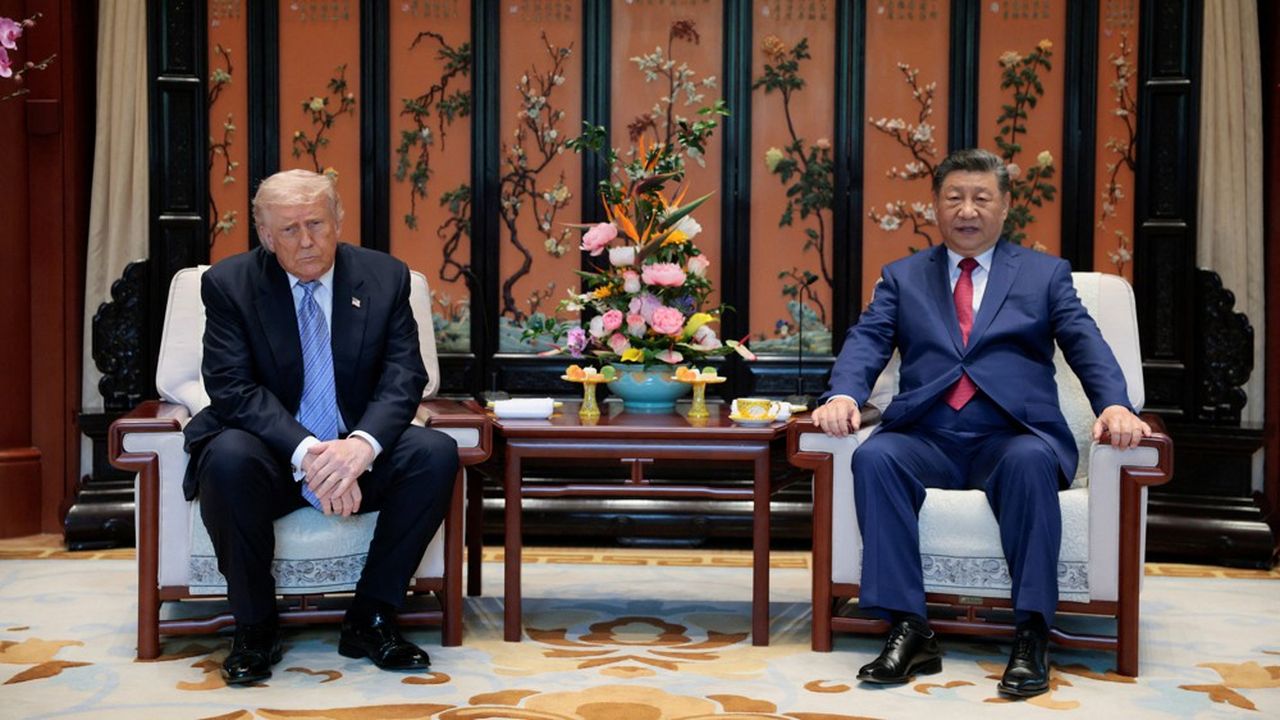
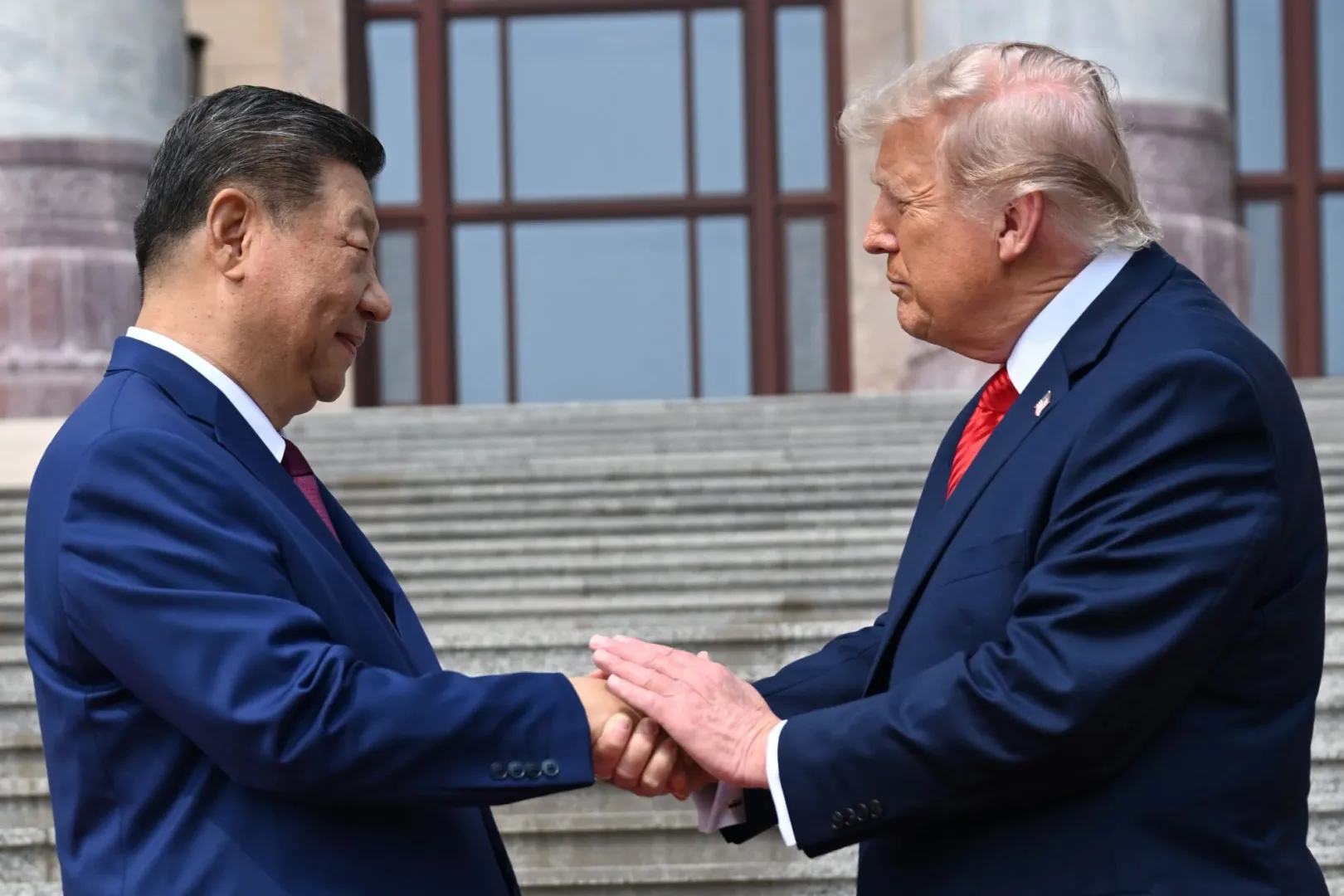
Since January 2025, photos and videos have shown recurring bruises on Trump’s hands, mainly the right one, but recently the left as well. These marks appear dark and purplish, and Trump has been seen hiding them with makeup or by crossing his hands. For example, during a golf outing in August 2025, a fresh bruise was noticed on his left hand, and thick makeup was applied to the right. This has sparked online speculation about his health, with hashtags like #TrumpHealth or discussions on X comparing it to signs of physical decline.
2. What’s the White House’s official explanation?
The White House attributes the bruises to “minor soft tissue irritations” caused by frequent handshakes (Trump meets a lot of people daily) combined with his regular intake of aspirin. Aspirin is a common blood thinner to prevent cardiovascular issues, but it makes the skin more prone to bruising, especially in older people whose skin is thinner and capillaries more fragile. Spokesperson Karoline Leavitt has insisted that Trump is in “excellent health” and experiences no discomfort. These explanations have been repeated since July 2025, following medical exams
3. Is there a medical diagnosis related to this?
Yes, in July 2025, after noticing swelling in his legs, Trump underwent exams (including vascular ultrasounds) that revealed chronic venous insufficiency (CVI). This is a benign and common condition, diagnosed by his physician, Captain Sean Barbabella. CVI primarily affects the veins in the legs but can also impact the arms.
However, the White House claims the hand bruises are not directly linked to CVI, but rather to aspirin and handshakes. Trump, at 79 years old, is in the age group where this is common (10-35% of adults over 70 in the US).
4. What is chronic venous insufficiency (CVI)?
CVI occurs when the valves in the veins (especially in the legs or arms) no longer function properly, preventing blood from flowing back to the heart. This causes blood to pool, increasing pressure in the veins. It’s common in older people, those who are obese, sedentary, or spend a lot of time standing (like Trump, a passionate golfer).
Symptoms: swelling (edema), heaviness, itching, pain, or skin color changes. In Trump, it started with ankle swelling (“cankles” in the media), but no severe signs like clots (deep vein thrombosis) or heart issues.
5. What are the medical implications of CVI?
- Long-term: If untreated, it can lead to complications like varicose veins, skin ulcers (open wounds that heal poorly), infections, or rarely, blood clots that could travel to the lungs (pulmonary embolism). However, experts emphasize it’s manageable and doesn’t predispose to serious diseases like heart failure if monitored. For Trump, exams have ruled out any heart, kidney, or systemic issues.
- Risk factors: Age (79), overweight, prolonged inactivity. No direct link to cognitive decline, though speculation exists about other health aspects (like verbal slips).
6. What are the possible treatments for CVI and the bruises?
- Simple measures: Leg elevation, regular exercise (walking), weight loss, and wearing compression stockings to improve circulation.
- Medications: Blood thinners like aspirin (already taken by Trump), or skin creams.
- Procedures: Vein ablation (laser or radiofrequency), sclerotherapy (injections to close faulty veins), or surgery in severe cases. For bruises, rest and avoiding trauma; no specific treatment beyond cosmetic makeup.
7. Are there other speculations or related health concerns?
Some media and online users speculate about more serious issues, like heart failure, undiagnosed cancer, or cognitive decline (forgetting names, confused speech).
8. Why is this generating so much buzz?
It’s tied to Trump’s age (the oldest sitting president) and transparency about his health. Polls show Americans worry about the fitness of elderly leaders.
Viral photos (like those from August 22, 2025, with poorly applied makeup) amplify discussions on social media.

The White House promises more transparency but hasn’t made the doctor available for questions.