Former Brazilian President Jair Bolsonaro is back in the spotlight after admitting that “hallucinations” led him to tamper with his ankle monitor, triggering his arrest. Bolsonaro, sentenced to 27 years in prison for attempting a coup after his 2022 election defeat, told a judge that a recent medication change caused paranoia and a nervous breakdown. He reportedly used a soldering iron on the device before “coming to his senses.” Brazil’s Supreme Court upheld his detention, citing him as a flight risk.

Meanwhile, scientists are sounding alarms over the rise of “brain weapons” – technologies capable of manipulating perception, memory, and behavior. A new book by experts at Bradford University warns that advances in neuroscience and AI could enable states to weaponize the human brain, creating tools to sedate, confuse, or coerce populations. These developments echo Cold War-era experiments but with far greater precision today, prompting calls for urgent global regulation.
On the economic front, Albert Edwards, the strategist who predicted the dot-com crash, warns of a looming financial crisis “bigger than 2008.” He points to inflated tech valuations and an “AI bubble” fueled by relentless optimism, arguing that when the correction comes, it will be severe. Edwards believes Federal Reserve policies could delay the burst, making the eventual fallout even more devastating.
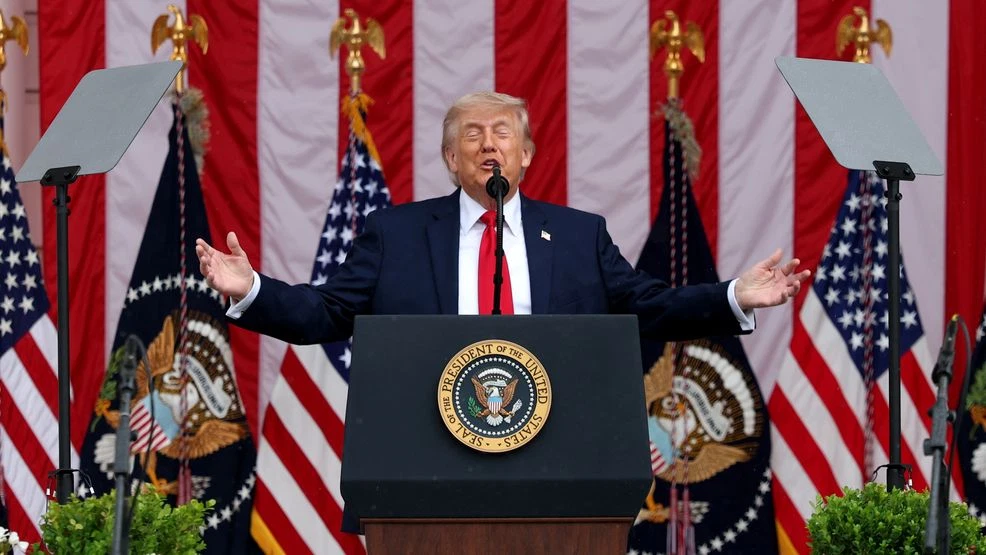
In U.S. politics, Republican lawmakers are increasingly anxious about the 2026 midterms. Recent off-year election losses in Virginia and New Jersey, coupled with President Trump’s sinking approval rating (41.9%), have sparked fears of a “wipeout” that could cost the GOP control of the House and shrink its Senate majority. Rising health care costs and economic stagnation are cited as key vulnerabilities heading into the next cycle.
The tech world faces its own reckoning: Binance, the world’s largest crypto exchange, is accused in a sweeping U.S. lawsuit of “knowingly” enabling terror financing linked to Hamas and other groups ahead of the October 7 attacks in Israel. Plaintiffs allege the platform facilitated over $1 billion in transfers, despite prior sanctions violations and a $4.3 billion settlement in 2023. The case could have major implications for crypto regulation and corporate accountability.
Social trends are shifting too. Israelis are emigrating in record numbers, driven by fear and political disillusionment. More than 80,000 citizens left in 2024, with similar figures expected this year. Many are young, educated professionals seeking stability abroad amid ongoing security threats and domestic turmoil – a trend experts warn could erode Israel’s economic and social resilience.

In the U.S., immigration enforcement is disrupting education. ICE raids in cities like Charlotte and California’s Central Valley have led to tens of thousands of student absences. In one North Carolina district, 30,000 students missed school in a single day, as families feared deportation. Educators report widespread trauma among children, even those with legal status, underscoring the collateral impact of aggressive enforcement policies.
Economic strain is also visible in rising utility shutoffs. Across the country, more Americans are losing power as unpaid bills pile up. Electricity costs have surged 11% since January, outpacing inflation threefold. In Pennsylvania alone, 270,000 households faced disconnections this year, highlighting the growing affordability crisis for basic necessities.
Finally, cultural chatter surrounds Michelle Obama, whose latest photoshoot with Annie Leibovitz sparked speculation about weight-loss drugs like Ozempic. The former First Lady, 61, showcased a noticeably slimmer figure, prompting online rumors despite her past emphasis on fitness and health. While there’s no evidence supporting these claims, the episode reflects the broader fascination – and controversy – around celebrity wellness trends.