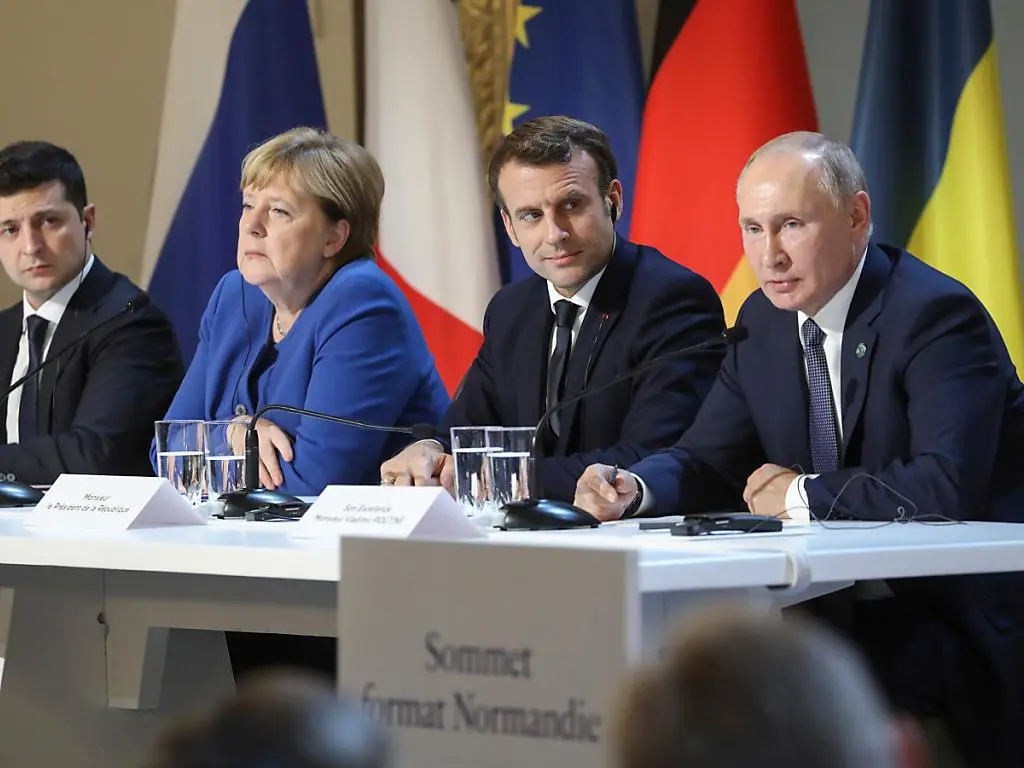
Despite criticism, the U.S. State Department will now classify DEI (Diversity, Equity, Inclusion) enforcement and mass migration as human rights infringements in its annual report. New guidance instructs diplomats to flag diversity policies, abortion subsidies, and migration facilitation as violations, alongside free speech restrictions. Officials say the shift promotes “natural rights” and counters “destructive ideologies,” aligning foreign policy with Trump’s domestic agenda. Rights groups warn this redefines long-standing norms and targets allies over speech laws.
Concretely, this means that diplomats are instructed to document enforcement of DEI policies (e.g., affirmative action or diversity mandates) and describe them as discriminatory practices. They will also have to report facilitation of mass or illegal migration by foreign governments, framing it as a violation of individual rights and public safety.

AI-made songs are now charting and attracting major money. At least 10 tracks created with music-generating tech have hit the charts, and one startup recently signed a seven-figure licensing deal with top labels. Warner, Universal, and Sony are partnering with AI firms like Udio and Klay to launch licensed platforms by 2026, aiming to pay artists while controlling synthetic output. Meanwhile, streaming services see 50,000 AI tracks uploaded daily, and experts warn this boom could redefine creativity and copyright norms.
The U.S. Army has opened its first robotically-operated dining facility at Camp Walker in South Korea. Called Market 19, the system lets soldiers order meals via touchscreen, then robotic modules portion, cook, and plate dishes like bibimbap and kimchi fried rice. Culinary specialists still handle food safety and quality control, while automation aims to free staff for training and provide 24/7 meal service. The six-month pilot, approved under the Pacific Multi-Domain Training and Experimentation Capability program, could reshape Army food operations worldwide.
The U.S. Army maintains a significant presence in South Korea as part of its long-standing security alliance. Around 28,500 U.S. troops are stationed there under the U.S.–South Korea Mutual Defense Treaty. They serve as a deterrent against North Korean aggression and support regional stability.