Verdict: Mostly False – the core claim is real, but the figure is wrong and “deceptive editing” is heavily disputed.
What actually happened
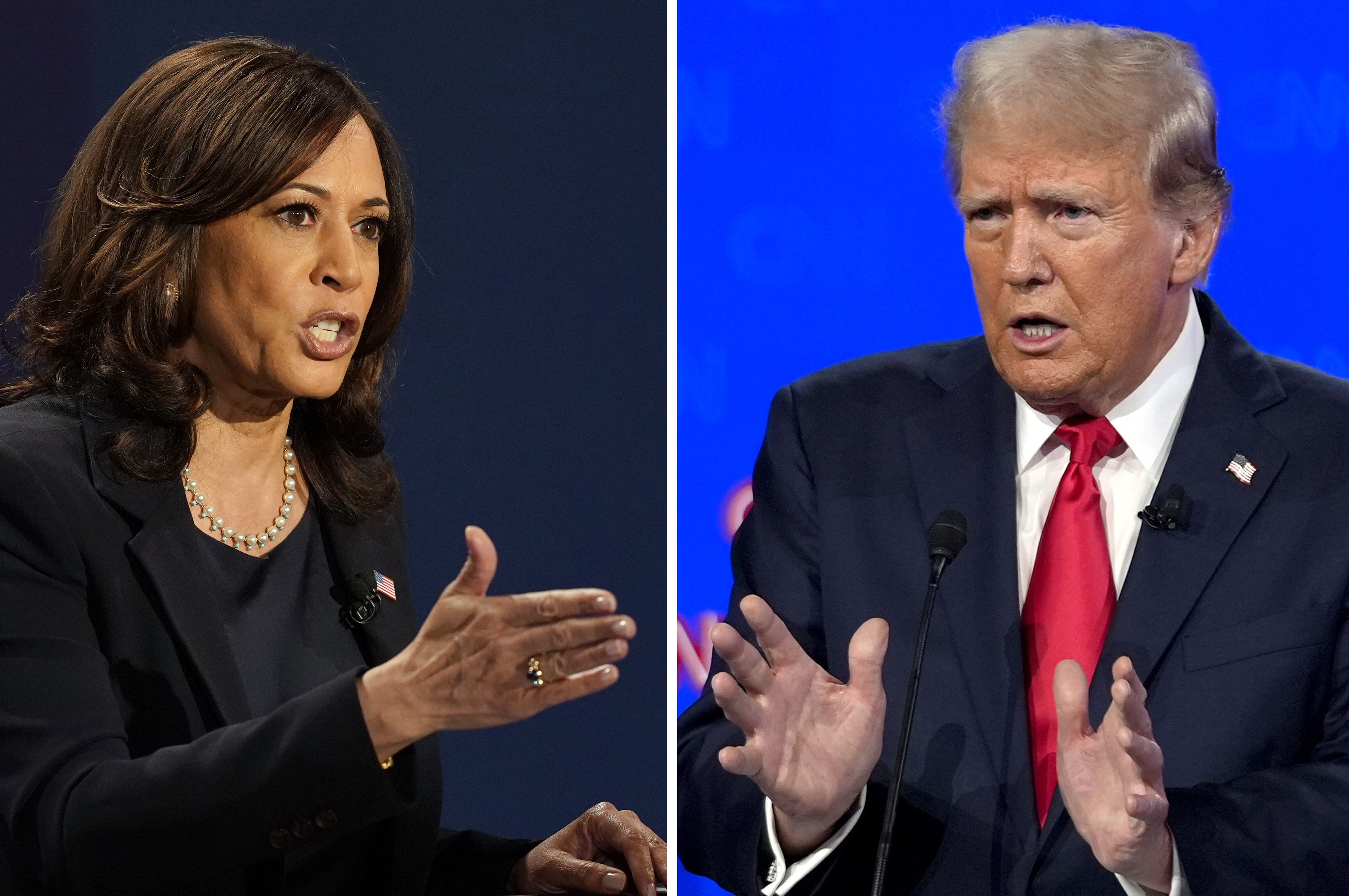
Paramount Global, parent company of CBS News, agreed to pay $16 million – not $38 million – to settle Trump’s lawsuit over the editing of a 60 Minutes interview with former Vice President Kamala Harris. The money goes to Trump’s presidential library fund, not to Trump personally.
The editing controversy
CBS News aired only the first half of Harris’s response to a question about Netanyahu for a Face the Nation preview clip, but aired only the second half of the same answer during the 60 Minutes primetime special. Trump sued, claiming this constituted deceptive editing and election interference.
Was it actually deceptive?
That’s where it gets complicated. CBS released the full unedited version showing no manipulation, and legal scholars nationwide agreed Trump’s suit was without merit. Legal experts described the edits as standard editorial discretion – a practice explicitly protected by the First Amendment – and expressed concern that the settlement could embolden political bullying of news organizations.
Why did Paramount settle then?
At that time, Paramount was seeking regulatory approval for its merger with Skydance, which required FCC sign-off from a Trump-appointed FCC chair who had made the 60 Minutes interview part of its review. In other words: leverage, not legal merit, drove the deal.
What the $38M figure likely comes from
Trump originally sued for $10 billion, then expanded to $20 billion. The $38M figure may conflate this settlement with others – ABC paid $15 million over a Stephanopoulos interview, and Meta paid $25 million to settle a separate Trump lawsuit. Combined with the CBS figure, that adds up differently depending on how you count.
Bottom line: Trump did receive a settlement – but it was $16 million, not $38 million. Whether CBS “deceptively” edited anything is vigorously disputed by legal scholars, press freedom advocates, and CBS itself. The settlement reflects corporate pressure from a pending merger, not a judicial finding of wrongdoing.