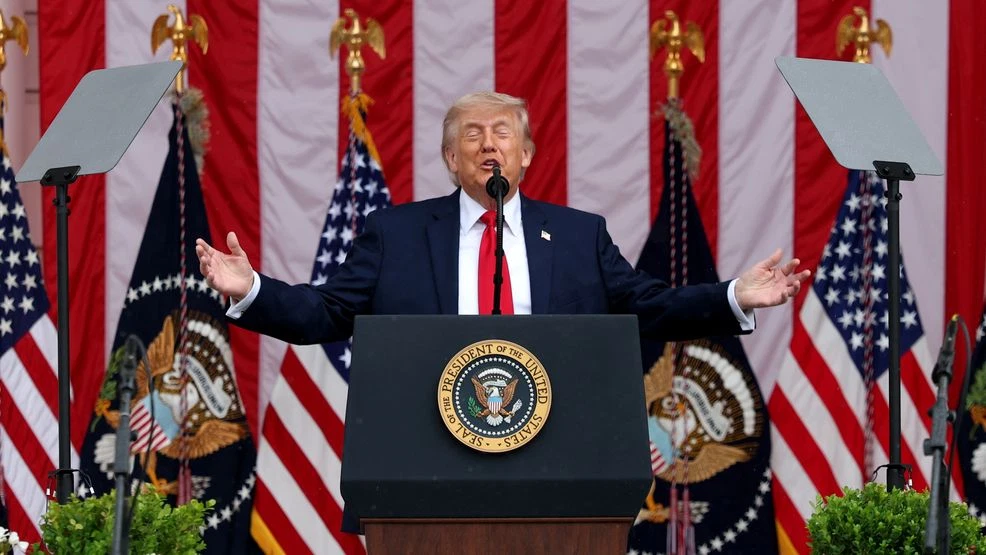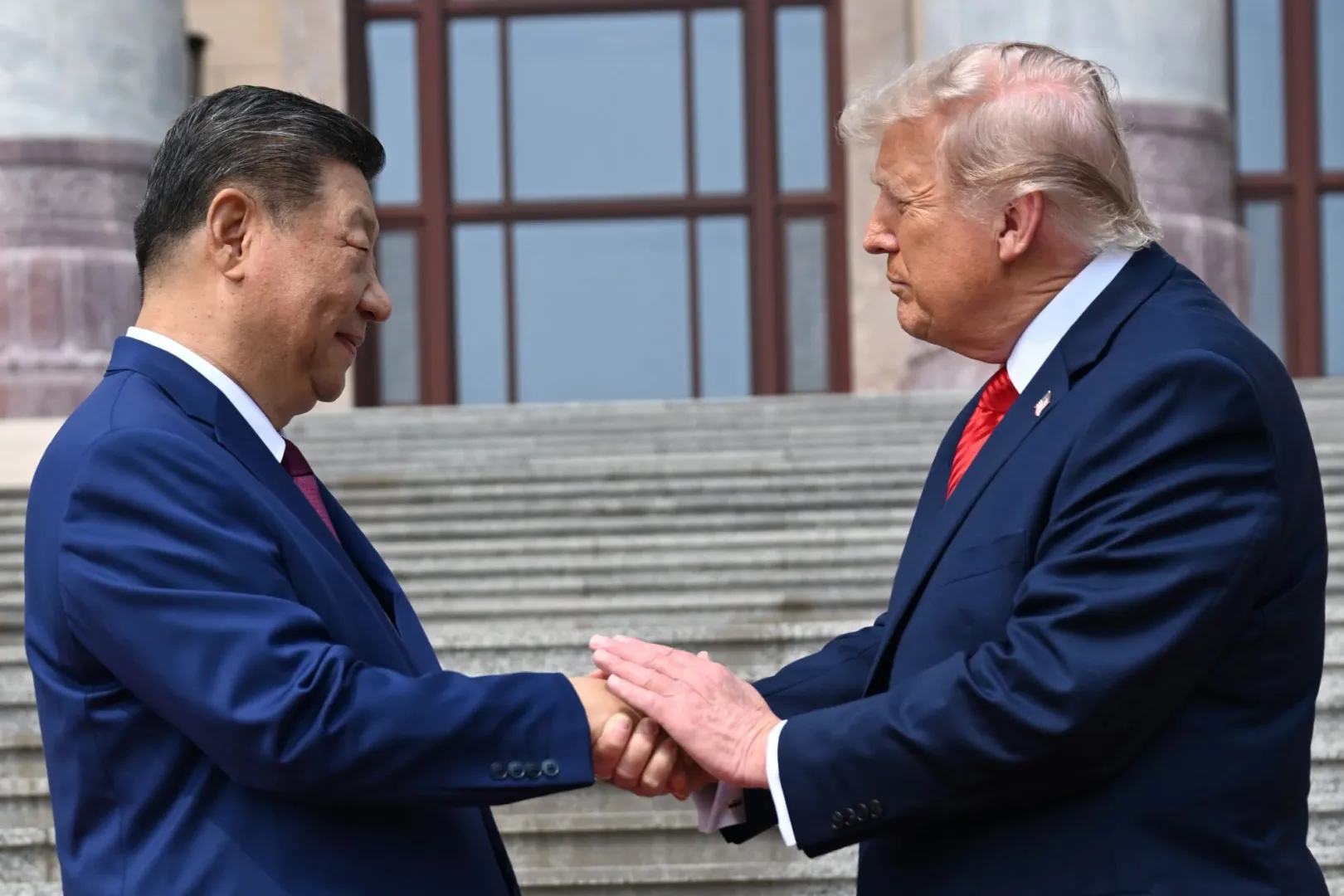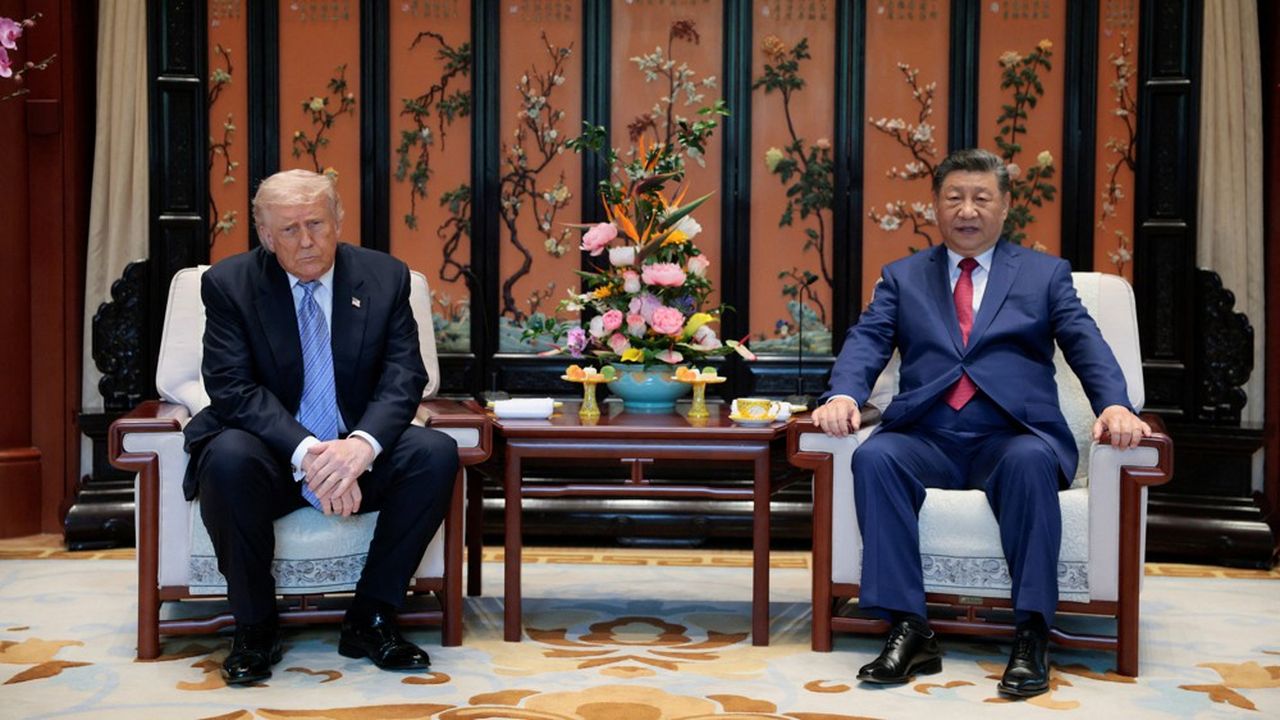
On May 14–15, 2026, Donald Trump traveled to Beijing for a state summit with Xi Jinping – a highly anticipated visit following months of trade war and the Iran conflict interlude. The two leaders met at the Temple of Heaven, the Great Hall of the People, and the gardens of Zhongnanhai.
1. Xi sent Trump off with rose seeds as a parting gift. According to the Financial Times, as a farewell gesture, Xi Jinping promised to send rose seeds to be planted at the White House. That, the paper noted, was about the only tangible concession visibly made during the meeting.
2. Boeing was hoping for 500 planes, Trump leaves with 200 – and the stock drops. Xi agreed to order only 200 Boeing aircraft, well below the 500 floated ahead of the summit. Investors were disappointed. Boeing shares fell 4% on Wall Street in the aftermath. Trump, for his part, called it a great deal: “Boeing wanted 150. He ordered 200. That’s a lot of jobs.”
3. Taiwan wasn’t even mentioned in the American readout. Xi explicitly warned Trump that mishandling the Taiwan question would put the US-China relationship “in great jeopardy” – a statement carried by Chinese state media. Yet the official American readout of the summit made no mention of Taiwan whatsoever. Secretary of State Rubio moved quickly to downplay the warning, insisting that “US policy on the issue of Taiwan is unchanged.”
4. “Agreed to buy oil” – China’s official statement didn’t mention it once. Trump announced on Fox News that Xi had committed to purchasing American oil – tankers leaving from Texas, Louisiana, and Alaska. The White House readout said Xi “expressed interest” in buying more US oil to reduce China’s dependence on the Strait of Hormuz. But “expressing interest” is a long way from a binding deal – and China’s own official summary of the visit made no mention of any new agreement whatsoever.
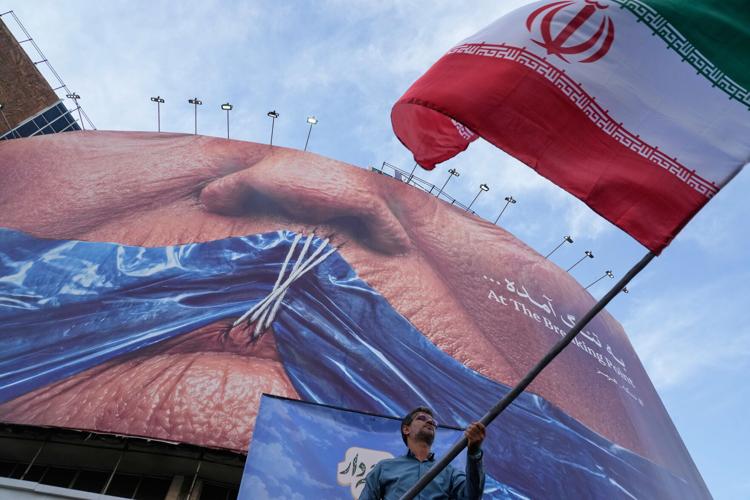
5. No weapons to Iran – but the oil money keeps flowing. Xi assured Trump that China would not supply military equipment to Iran – a pledge Trump himself called “a big statement.” Analysts were quick to point out the fine print. The commitment covers neither intelligence sharing, electronics exports, nor the tens of billions of dollars in annual revenue Iran earns from oil sales to Chinese buyers, which remains Tehran’s real economic lifeline.
6. The central paradox: Xi said yes to US oil and kept buying Iranian oil too. Trump himself acknowledged that Xi told him China intended to keep purchasing Iranian oil, even while opposing any militarization of the Strait of Hormuz. In other words, Beijing isn’t cutting Tehran’s financial pipeline – it’s just promising not to hand them missiles. Analysts at the Council on Foreign Relations warned that the US appears to be positioning itself as more of a commodity supplier to China, which may not serve Washington’s long-term strategic interests.