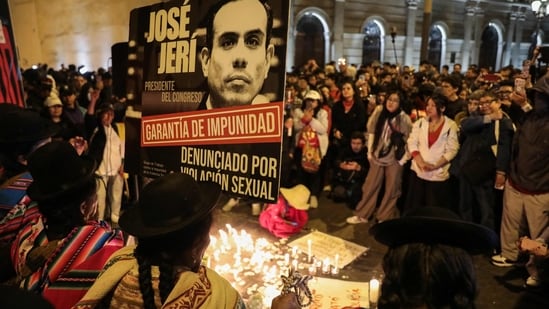
Peru is facing its most intense youth-led uprising in decades as thousands of Gen Z protesters demand the resignation of interim President José Jerí and sweeping systemic reforms.
The unrest erupted after Congress impeached President Dina Boluarte on October 10 for “permanent moral incapacity,” installing Jerí as the country’s seventh leader in less than 10 years.
His controversial record – including a dismissed rape allegation and votes for laws critics say favor criminal groups – has fueled outrage among young Peruvians.
Initially sparked by anger over pension reforms and low wages, the protests have broadened to include demands for a new constitution, tougher anti-corruption measures, and action against rising crime.
Demonstrators accuse Jerí’s government of perpetuating decades of political rot. Peru’s Ombudsman reports one fatality and more than 100 injuries, including 80 police officers and 10 journalists, after violent clashes in Lima.
The victim, 32-year-old hip-hop artist Eduardo Ruíz, was shot during a mass rally. Prosecutors are investigating whether the shooter was a plainclothes officer infiltrating the crowd.
Six journalists were hit by pellets, and four were assaulted by police during the crackdown.
The protests, ongoing since mid-September, are digitally coordinated via TikTok, WhatsApp, and Telegram, with black flags bearing the One Piece anime symbol becoming a global emblem of Gen Z activism.
Riot police have deployed tear gas and rubber bullets, while protesters retaliated with fireworks and stones.
Human rights groups warn of “serious violations” as Peru relives scenes reminiscent of the 2022–2023 unrest that left 50 dead under Boluarte’s administration.
Analysts say the movement reflects deep generational frustration over corruption, insecurity, and economic precarity in a country where youth unemployment hovers near 18% and crime rates have surged by 22% year-on-year.
President Jerí, 38, insists he will not resign, declaring his “responsibility is to maintain stability.” He has requested expanded powers to combat crime and appointed ultraconservative ex-judge Ernesto Álvarez as prime minister.
Protesters vow to continue until Jerí and Congress step down, chanting slogans like “The rapist is Jerí” and “Protesting is a right, killing is a crime.”
With Peru’s next elections scheduled for 2026, the standoff signals a volatile chapter in the country’s long-running political crisis.