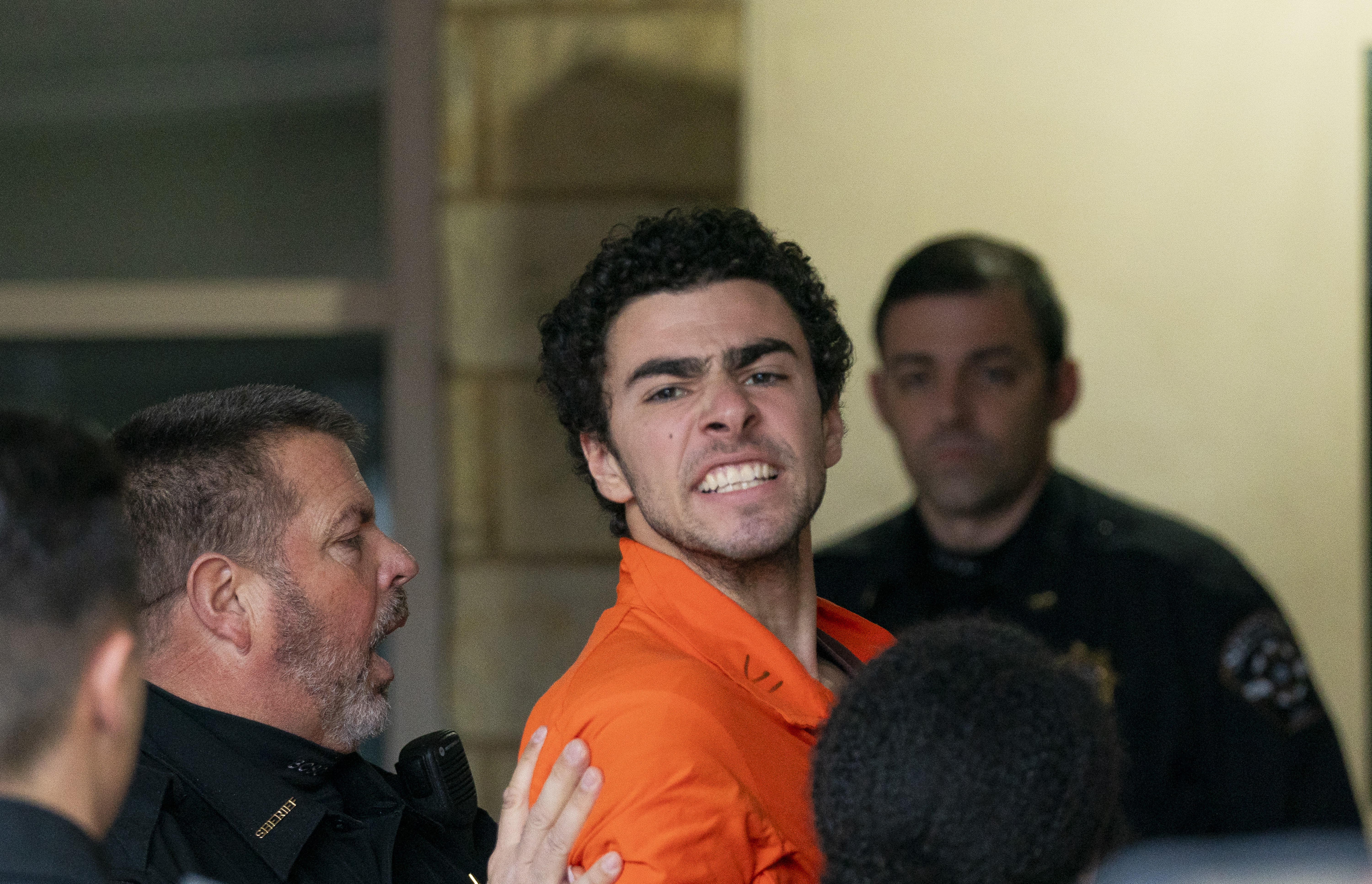
Luigi Mangione, 27, accused of fatally shooting UnitedHealthcare CEO Brian Thompson in an ambush outside a Manhattan hotel on December 4, 2024, is awaiting trial while reportedly sitting on $40,000 in his prison commissary account.
- Commissary account: This is an inmate’s personal account in prison where money can be deposited by family, friends, or supporters. The funds are used to buy approved items like food, toiletries, and stationery from the prison commissary (the prison store).
The funds, according to reports from TMZ and The Independent, come from donations by fans and supporters who have rallied behind Mangione since his arrest after a five-day manhunt that ended in Altoona, Pennsylvania.
Mangione faces federal charges of murder with a firearm, which could carry the death penalty, along with two counts of stalking and firearms offenses, and separate state charges in New York and Pennsylvania.
He has pleaded not guilty to all charges.
Prosecutors allege Mangione was motivated by anger at the U.S. healthcare industry and “corporate greed,” citing an NYPD intelligence report. Bullet casings at the crime scene reportedly bore the words “deny,” “delay,” and “depose,” referencing alleged insurance claim tactics.
The $40,000 balance allows Mangione to purchase snacks and personal items at the Metropolitan Detention Center in Brooklyn, where commissary prices include Nutella at $4.90, oatmeal at $3.65, and Velveeta cheese at $3.70.
Spending is capped at $160 per visit to the prison store, meaning Mangione cannot exhaust the funds quickly. Beyond commissary perks, his supporters have raised $1.3 million for his legal defense via crowdfunding platforms.
Mangione’s notoriety has sparked a cultural phenomenon, with his image circulating widely online and even parodied on Saturday Night Live.
UnitedHealthcare acknowledged systemic flaws after the killing, while Senator Bernie Sanders cited Mangione’s support as evidence of public frustration with the healthcare system. His trial dates remain pending, with proceedings expected in federal court and New York State before the end of 2025.