Verdict: False (partly speculative). The claim presupposes secret operations or hidden collateral damage. However, on May 1, 2026, the White House simply informed Congress that hostilities with Iran had “terminated”, thereby sidestepping the legal obligation under the 1973 War Powers Resolution.
The political and legal context
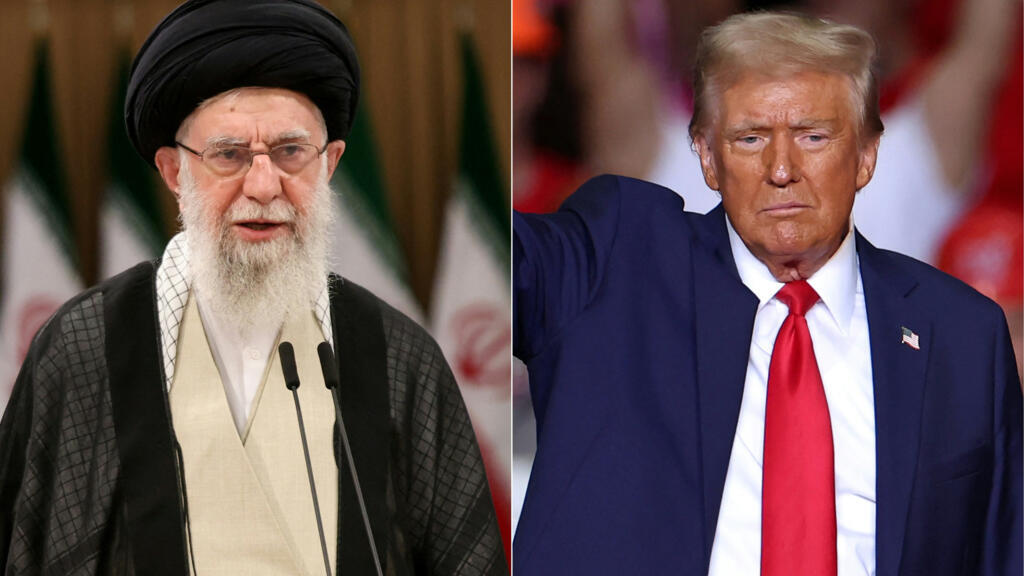
First, the facts. Trump announced “major combat operations” against Iran on February 28, 2026, with massive joint U.S.-Israeli strikes. Then, the conflict reached its 60-day mark this week, triggering the constitutional obligation for parliamentary authorization.
Trump then chose an unprecedented strategy. In his letters to Speaker Mike Johnson and President pro tempore Chuck Grassley, he wrote: “On April 7, 2026, I ordered a 2-week ceasefire. The ceasefire has since been extended. There has been no exchange of fire between United States Forces and Iran since April 7, 2026.”
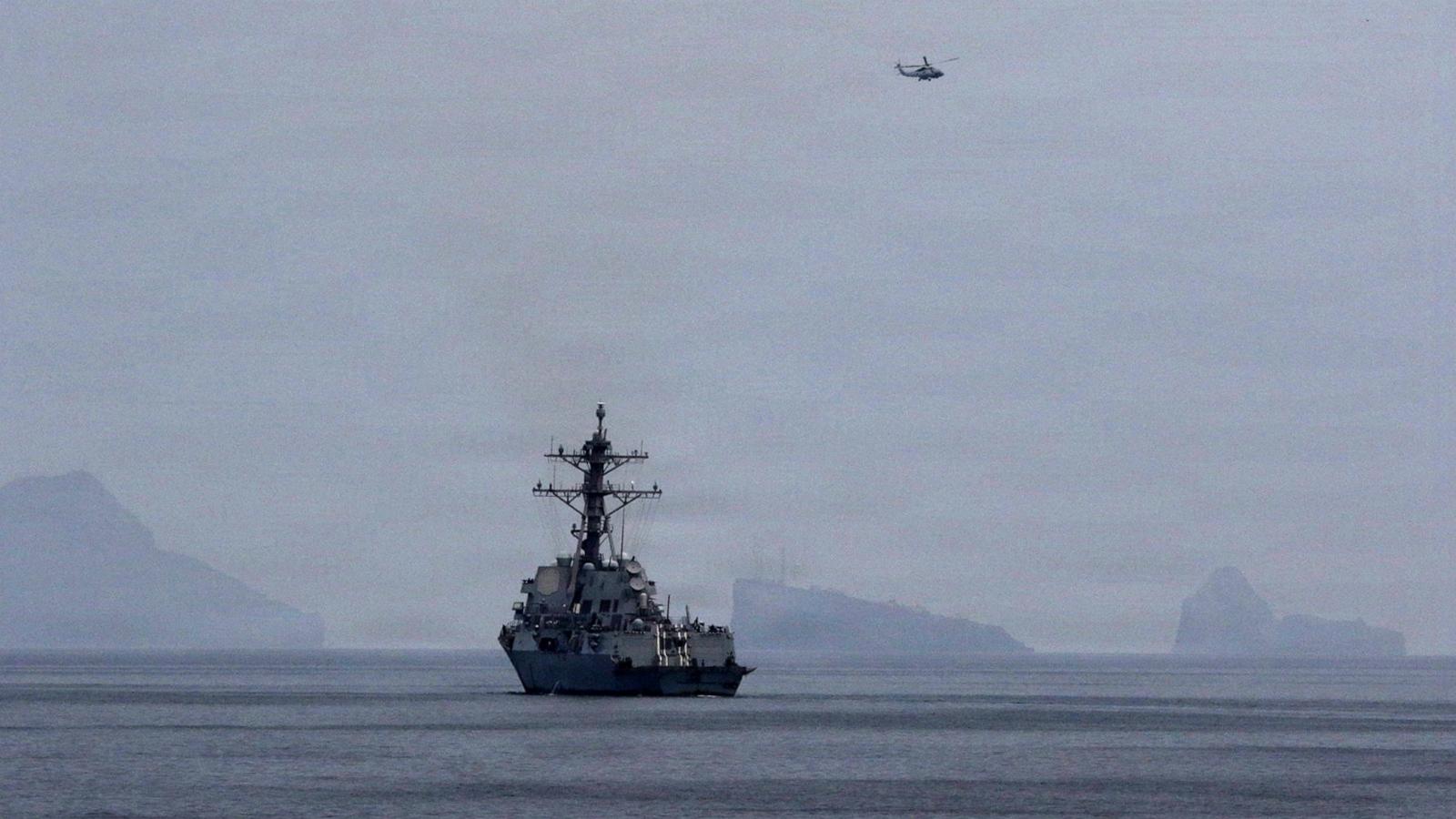
However, military reality contradicts this narrative. More than 100 fighter and surveillance aircraft remain deployed, along with two carrier strike groups and more than a dozen ships. Moreover, the United States has also kept up a naval blockade of Iranian ports.
The real and transparent cost
Far from hidden, the cost is public. Acting Pentagon Comptroller Jules Hurst III testified that the war has cost $25 billion so far. Additionally, the average price of gas hit a new wartime high of $4.39 per gallon.
So there are no concealed clandestine operations: there is instead an open legal debate. Democrats Gregory Meeks, Adam Smith and Jim Himes openly contest: “Hostilities have not ceased; both sides are enforcing naval blockades through military force“.
Bottom Line
The claim is sensationalist. Trump is not hiding clandestine operations; he is performing a legal sleight of hand by redefining “the end of hostilities.” The naval blockade continues openly. The maneuver is legally contestable, not hidden.