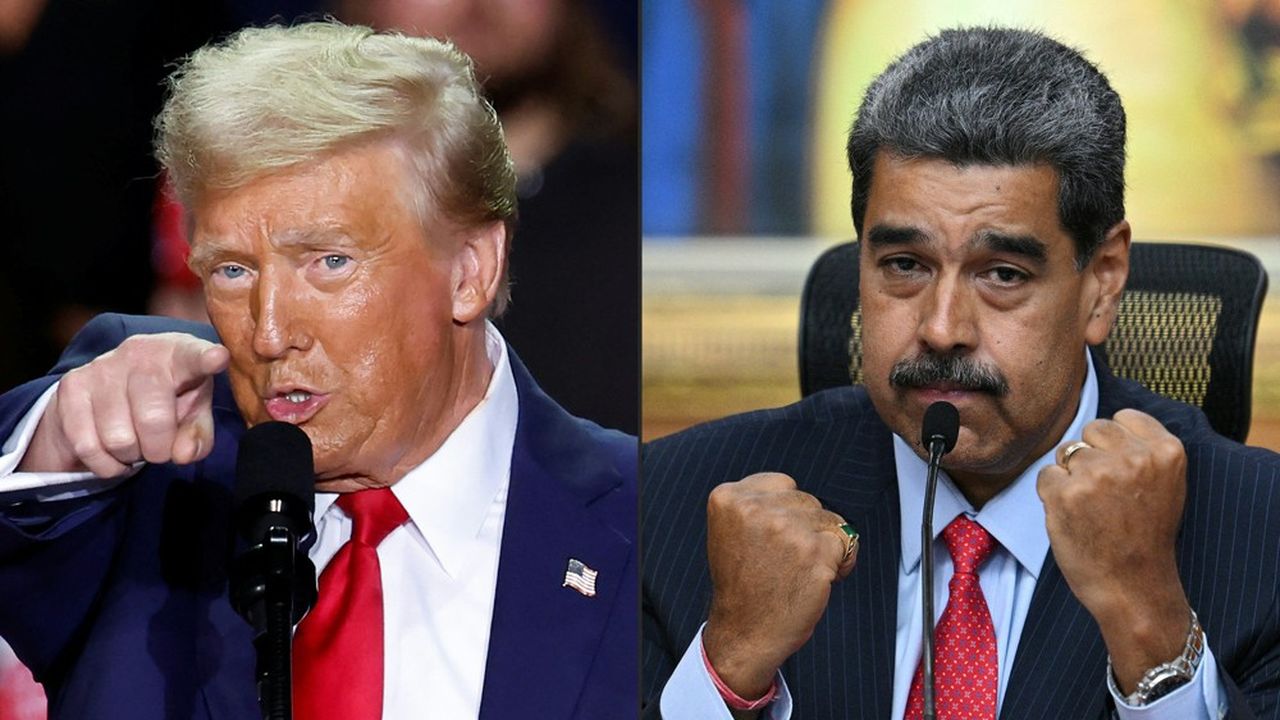
Colombian President Gustavo Petro is stirring controversy after suggesting closer ties with Venezuela while warning against U.S. military escalation in the Caribbean. Petro condemned the Pentagon’s deployment of the Gerald Ford carrier group and 10,000 troops, calling it a threat of invasion disguised as anti-narcotics operations.
“Colombia will not lend its territory for an invasion. How could we allow that?” he said in Brazil, where he opened a joint police center with Lula da Silva.
Petro urged Latin American leaders to resist militarization, warning that “if bombs fall on Caracas today, they could fall on Bogotá tomorrow.” His remarks follow leaked claims of a secret pact with Maduro, which Petro denies, and come amid U.S. authorizations for CIA covert actions in Venezuela.
Meanwhile, in Santa Marta, the EU-Latin America-Caribbean summit opened under the shadow of these tensions. Leaders discussed renewable energy, food security, and tech cooperation, but U.S. strikes on alleged drug vessels – killing over 60 people since September – dominated conversations. Petro called the deaths “extrajudicial executions” and urged the summit to be
“a beacon of light amidst barbarity.”
Despite absences of Ursula von der Leyen and Germany’s chancellor, Spain’s Pedro Sánchez and Brazil’s Lula attended, signaling solidarity. Lula pressed Trump to avoid conflict, recalling his plea for Latin America to remain a “region of peace”.
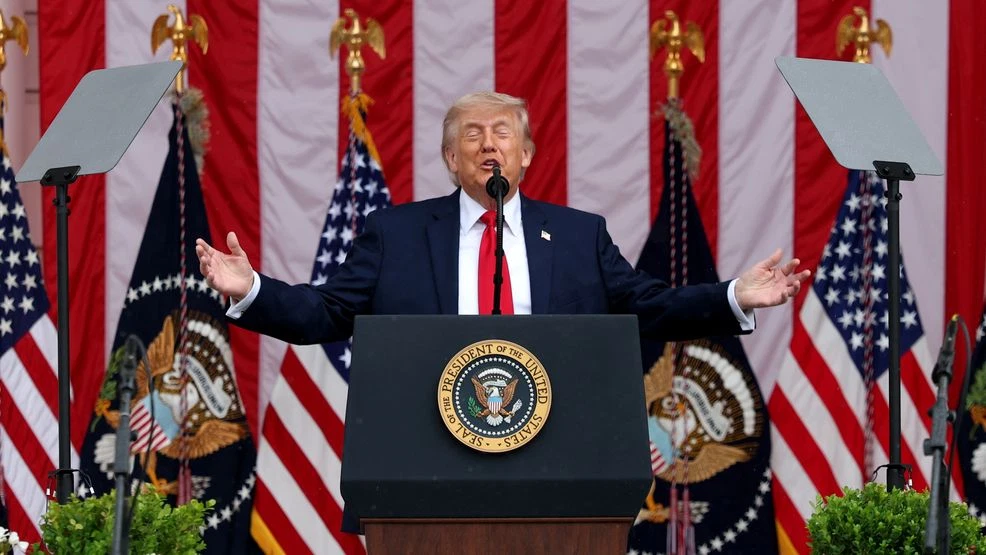
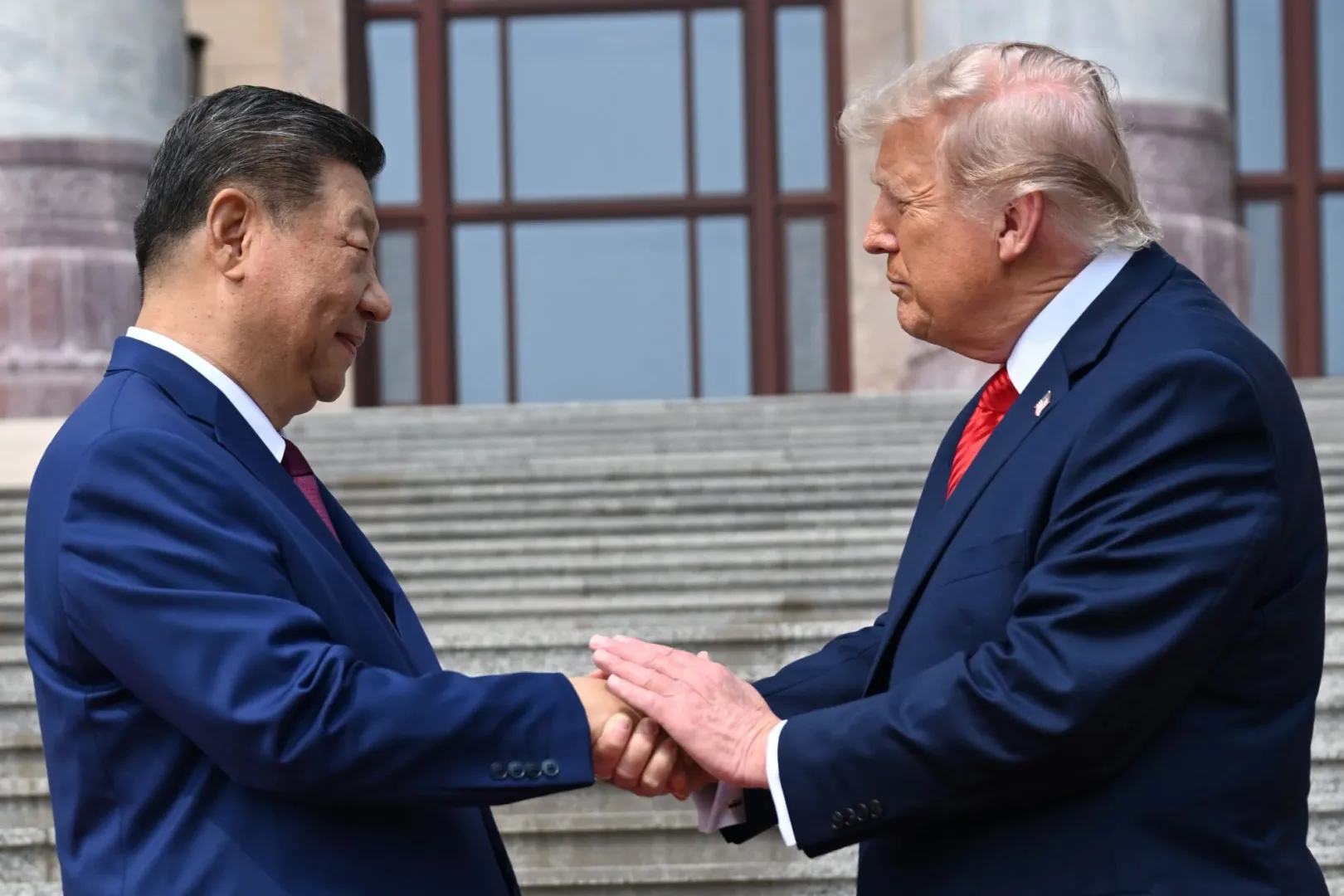
Across the Atlantic, Donald Trump escalated his feud with the BBC, threatening a $1 billion lawsuit over a Panorama documentary that spliced his January 6 speech to imply a call for violence. The edit omitted his line urging supporters to protest “peacefully and patriotically.” Trump’s lawyers demand a full retraction and apology by November 14 or face litigation under Florida defamation law. The scandal has already toppled BBC Director-General Tim Davie and News Chief Deborah Turness. BBC Chair Samir Shah admitted an “error of judgment” but denied systemic bias. Trump celebrated on Truth Social:
“The TOP people in the BBC are all quitting because they were caught doctoring my PERFECT speech.”
On the tech front, a new study claims ChatGPT shows more empathy than real doctors in patient interactions. Researchers found that AI responses scored higher for warmth and helpfulness in 78% of cases compared to physicians’ replies. While experts caution that algorithms lack clinical judgment, the findings fuel debate on AI’s role in healthcare. Hospitals already use AI for diagnostics, but emotional intelligence tests suggest machines may outperform humans in perceived empathy – a shift raising ethical and practical questions for patient care.

In Washington, the Supreme Court declined to revisit its 2015 ruling legalizing same-sex marriage, rejecting an appeal from Kim Davis, the Kentucky clerk jailed for refusing wedding licenses. Davis sought to overturn Obergefell v. Hodges and avoid paying $360,000 in damages. The decision leaves marriage equality intact for 823,000 same-sex couples nationwide. Advocates hailed the move as a victory for stability, though Justice Clarence Thomas has previously urged reconsideration of such precedents.
Finally, Silicon Valley is courting controversy with a bold leap: tech titans are funding embryo-editing projects to create genetically engineered babies. A San Francisco startup called Preventive, backed by OpenAI CEO Sam Altman and Coinbase’s Brian Armstrong, aims to eliminate hereditary diseases – and possibly enhance traits like IQ and bone strength. The company raised $30 million and is scouting countries with lax laws, as U.S. bans heritable gene edits. Critics warn of a slide toward eugenics and recall the 2018 scandal of CRISPR-edited babies in China. Preventive insists it will halt trials if safety cannot be proven, but internal plans reportedly floated unveiling a healthy engineered child to force global acceptance – a move described as “shock the world into compliance.”.