Verdict: Partially True but Misleading.
The War Powers Resolution sets a clear 60-day limit on unauthorized military action. Yet the claim stretches the facts. The U.S. is not in full active war right now. The naval blockade continues, but the Trump administration argues the ceasefire ended major hostilities. They say the 60-day clock no longer applies in the same way.
What the law actually requires
Congress passed the War Powers Resolution in 1973. It forces the president to notify lawmakers within 48 hours after he sends forces into hostilities. The president then has 60 calendar days to end those actions unless Congress approves them or declares war. He can also request a one-time 30-day extension for safe withdrawal.
President Trump notified Congress on March 2, 2026, after U.S. and Israeli strikes on Iran began on February 28. That started the 60-day clock. The deadline hit on May 1, 2026.
Current situation with Iran
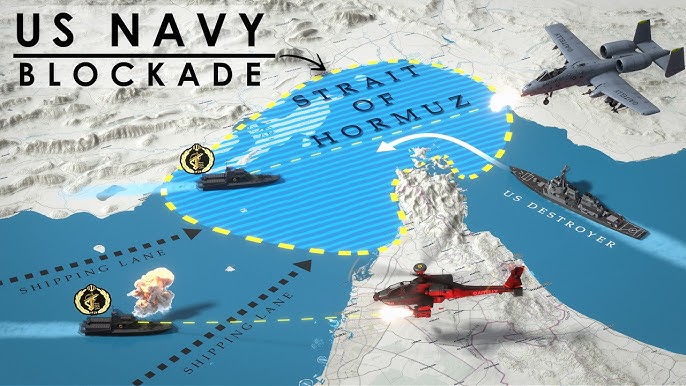
The U.S. and Iran entered a ceasefire on April 8, 2026. Both sides later extended it. Large-scale airstrikes and missile attacks stopped. However, the U.S. Navy keeps a blockade on Iranian ports. Iran restricts traffic in the Strait of Hormuz in response. This economic pressure continues and raises global oil prices.
The Trump administration claims the ceasefire “terminated” the hostilities for War Powers purposes. Defense Secretary Pete Hegseth and other officials say the law no longer requires immediate congressional approval or full withdrawal because active fighting has paused.
Critics, including many Democrats, disagree. They call the blockade an ongoing act of war. They argue it still counts as “hostilities” under the law. They demand a vote in Congress to authorize or end the operations.
Is the blockade an illegal act of war?
A naval blockade often qualifies as an act of war under international law. It hurts Iran’s oil exports severely. Iran’s president called the U.S. action “intolerable” and an extension of military operations.
Yet the Trump team views the blockade as lawful economic pressure short of full war. They say it protects U.S. interests and pushes Iran toward negotiations on its nuclear program. Republicans in Congress have mostly blocked Democratic efforts to force a withdrawal vote.
Clarifications
The 60-day rule is real: The law is specific. Presidents must report and usually stop after 60 days without approval. This part of the claim holds up.
“We are still at war”: Overstated. Major combat ended with the ceasefire. The situation now looks more like a tense standoff with naval pressure than open warfare.
“The illegal blockade is an act of war”: Debatable. It creates war-like effects, but legality depends on interpretation. Past presidents from both parties often stretched or ignored strict War Powers limits. Courts rarely step in to enforce them.