Verdict: Mostly True – Personal Retaliation Appears to Be the Driver.
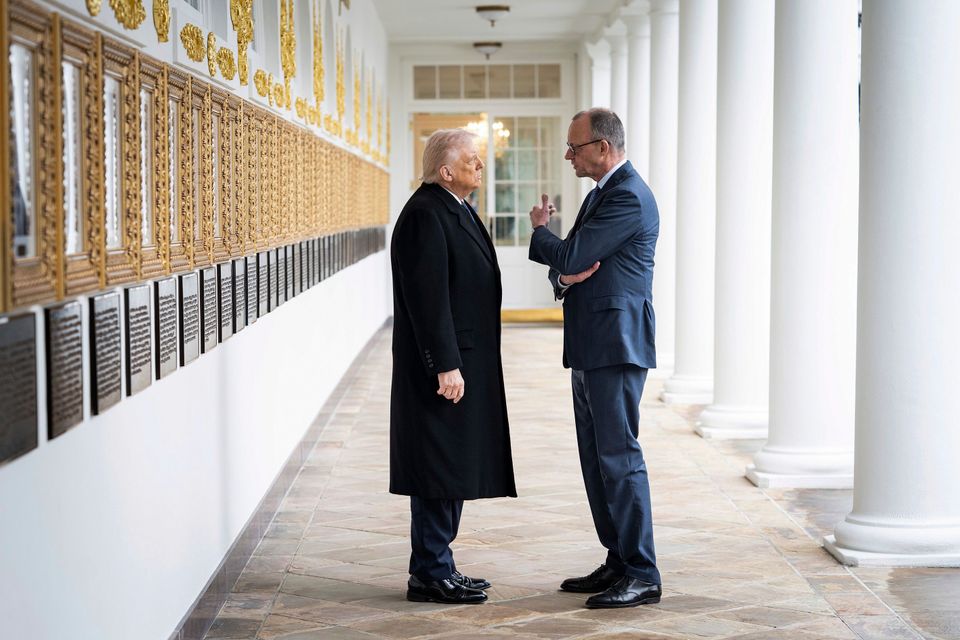
German Chancellor Friedrich Merz sharply criticized the US approach to the war with Iran earlier this week. He said the US was being “humiliated” by Iranian negotiators and lacked a clear strategy. President Trump reacted angrily on Truth Social. Shortly afterward, the US announced plans to withdraw about 5,000 troops from Germany. The timing strongly suggests retaliation.
What Merz actually said
In a speech to students, Merz stated that the Iranians were “very skilled at negotiating – or rather, very skillful at not negotiating.” He also said the Americans had “no strategy” and were being sent home empty-handed from talks.
“An entire nation is being humiliated by the Iranian leadership, especially by these so-called Revolutionary Guards.”
He also questioned the overall US strategy in the conflict.
Trump’s response and the troop withdrawal
Trump fired back quickly, accusing Merz of thinking it was “OK for Iran to have a Nuclear Weapon” and telling him to focus on Germany’s own problems instead of “interfering.” Days later, the Pentagon confirmed the withdrawal of roughly 5,000 US troops from Germany over the next 6-12 months. This move fulfills a long-standing Trump grievance about burden-sharing in NATO but was clearly accelerated by the spat with Merz.
The Pentagon described it as a planned adjustment, but the timing and Trump’s public comments make it look like direct payback.
Bottom line: Yes, Friedrich Merz publicly criticized America’s handling of the Iran war as humiliating and strategically weak. Trump responded with anger and promptly advanced plans to reduce US troops in Germany. While broader NATO burden-sharing concerns exist, the immediate trigger was Merz’s comments. This highlights ongoing tensions between Trump and European leaders over the Iran conflict. The troop reduction will still leave over 30,000 US forces in Germany.