Verdict: True on the risks – Qatar’s gifted Boeing 747 poses real espionage concerns for Trump and U.S. security.
Lawmakers from both parties, intelligence experts, and former officials warn that the luxury jet could hide surveillance tools. They call full detection nearly impossible. The plane serves a practical purpose as an interim Air Force One. Yet it creates a major security headache.
Context: A $400 Million “Flying Palace” Gift Sparks Alarm
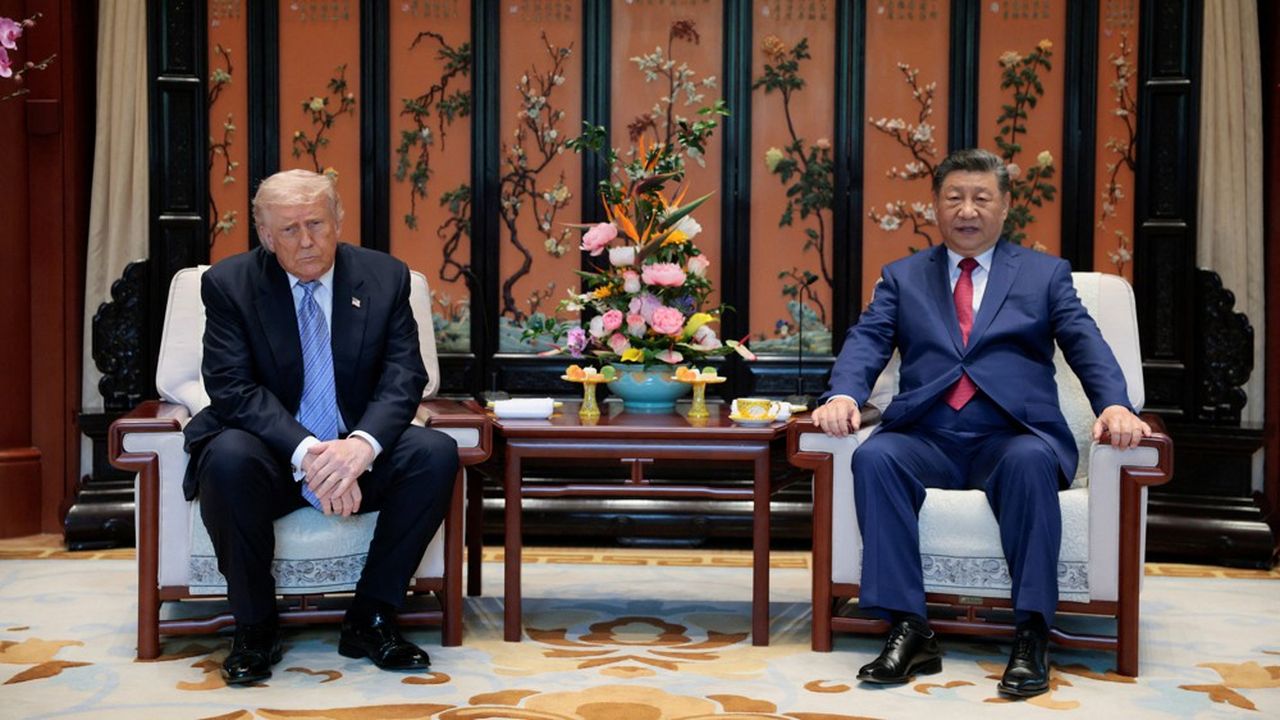
In May 2025, the Trump administration accepted a Boeing 747-8 from Qatar. The jet, valued at around $200-400 million, comes as a gift to replace aging VC-25 aircraft. President Trump called it a smart deal. He said it would be “stupid” to refuse. The Pentagon, under Defense Secretary Pete Hegseth, formally accepted it and pledged security upgrades.
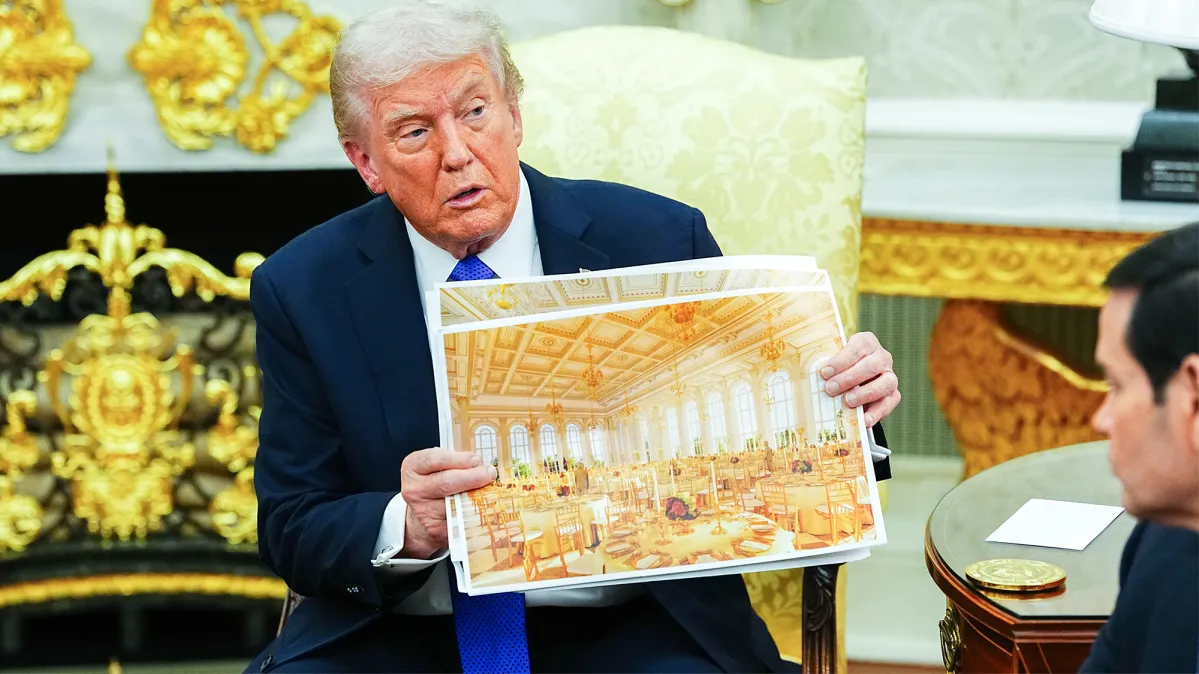
Qatar built the plane as a luxurious private jet for its royal family. It features opulent interiors. U.S. officials plan to strip and refit it for presidential use. This includes secure communications, defense systems, and countermeasures. Work continues, with delivery eyed for summer 2026.
Republican senators like Ted Cruz raised red flags early. Cruz stated on CNBC that the plane “poses significant espionage and surveillance problems.” He cited Qatar’s ties to groups like Hamas and its history of complex relationships.
Sen. Susan Collins called the deal “rife with political espionage, ethical and constitutional problems.” She stressed the need to thoroughly scrub the aircraft for listening devices.
Other voices joined in. Sen. Rand Paul worried about appearances. Democrats like Sen. Jack Reed highlighted “immense counterintelligence risks.” Former intelligence officials described it as a “nightmare” scenario for spy agencies. One ex-CIA station chief noted that any nation would likely bug such a plane if roles reversed.
Why Detection Proves So Difficult
Experts point to real technical challenges. Modern surveillance devices stay tiny. They integrate into wiring, avionics, or structural elements. A comprehensive sweep takes time and money. Even then, experts admit complete certainty remains elusive. Qatar (and potentially others with advanced tech like China) could embed systems during construction or maintenance.
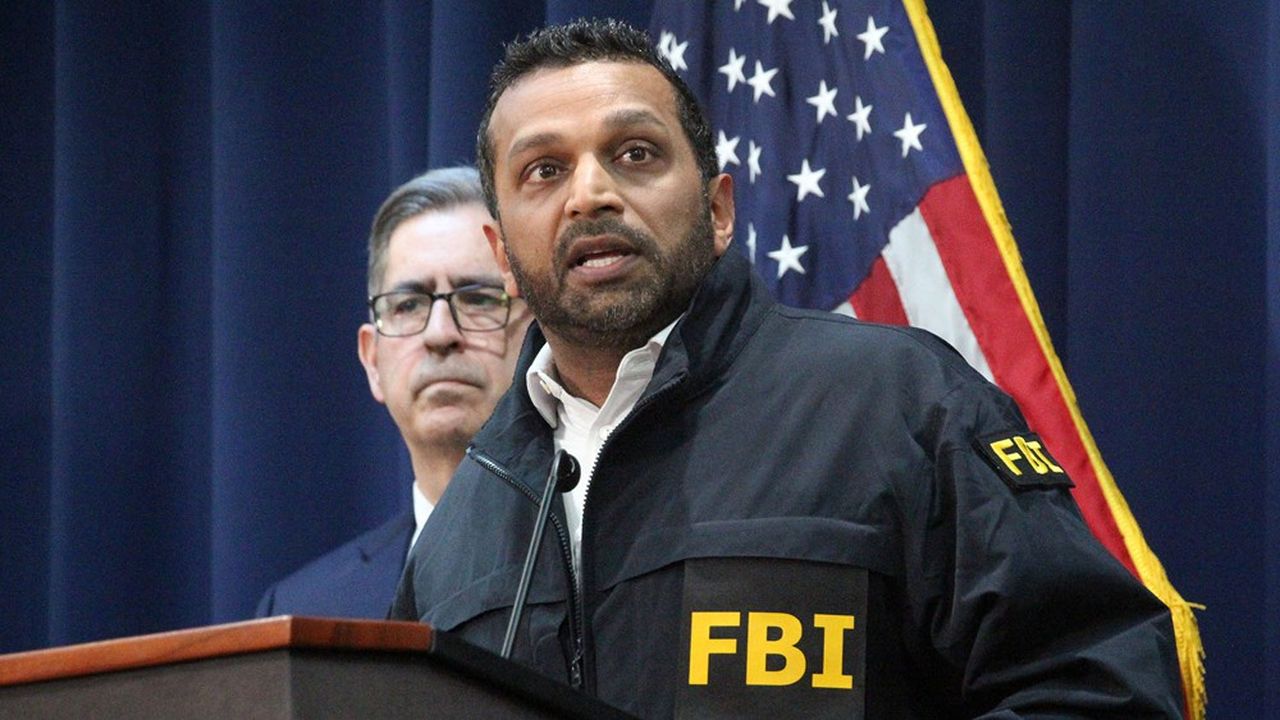
The FBI and Secret Service face extra burdens. Air Force One carries sensitive discussions. Any leak compromises national security. Qatar hosts U.S. bases yet maintains ties with Iran, Hamas, and the Muslim Brotherhood. Critics question its reliability as a partner.
No public evidence confirms active, undetectable bugs right now. Concerns stem from risk assessments, not discovered devices. The Pentagon says it will apply “proper security measures.” Skeptics doubt quick fixes suffice for a foreign-built platform.
Where Things Stand Today
As of May 2026, the U.S. Air Force completed modifications to the Boeing 747 and expects to have it ready for Trump’s use over the summer. The jet is currently being painted red, white, and blue. The Air Force did not reveal the cost of the modifications, but lawmakers suggested last year that they could exceed $1 billion.
In late January 2026, the Air Force indicated it was on track, though various indications – including a letter from converter AMAC to the FAA requesting expedited validation – suggested that corners were being cut and some work left undone to meet the timeline.
The Moscow embassy analogy remains instructive. In the 1970s, the U.S. State Department hired Russian workers to build a new embassy in Moscow. By the mid-1980s, security experts discovered those workers had filled the building’s walls, joints, and wiring with a vast array of listening devices. The parallel is imperfect – but it is the one former NSA officials themselves invoke.
Bottom Line
The Qatar jet offers practical value. It accelerates a new Air Force One without full taxpayer cost for a new build. However, it delivers undeniable espionage risks that experts and lawmakers label a security nightmare. Full detection stays extremely difficult. Trump and U.S. agencies must weigh luxury and speed against potential hidden ears from Qatar – or worse.