Donald Trump’s business ties with Saudi Arabia are drawing intense scrutiny. Ethics experts warn that the overlap between private ventures and public policy is unprecedented. The Trump Organization, now managed by his sons, has announced projects worth billions in Saudi Arabia, including a Trump Tower in Jeddah and a Trump Plaza development estimated at $1 billion. These ventures coincide with diplomatic engagements, fueling concerns over conflicts of interest. Records show the family earned about $50 million from Saudi-linked deals in 2024 alone. Jared Kushner’s firm also secured $2 billion from the Saudi sovereign wealth fund, a deal that could generate $125 million in fees over five years.
“The timing could not be more charged,” noted Finance Monthly, highlighting how private gains shadow public policy.

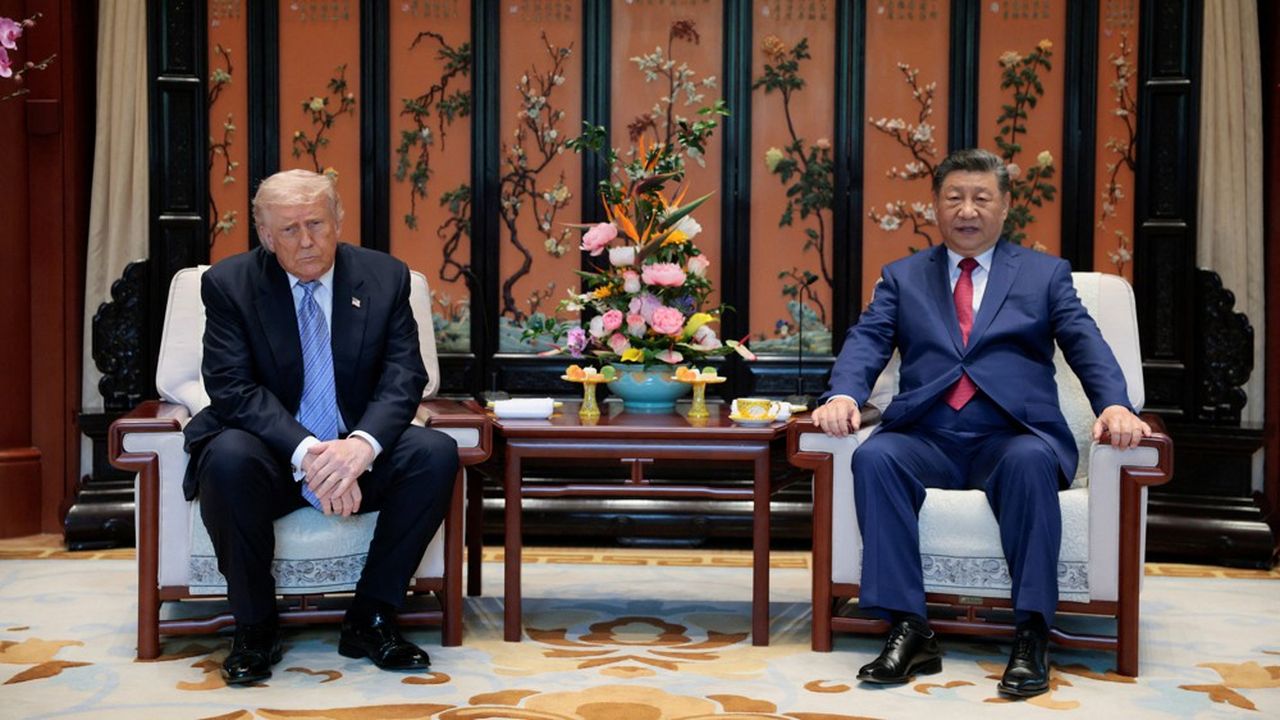
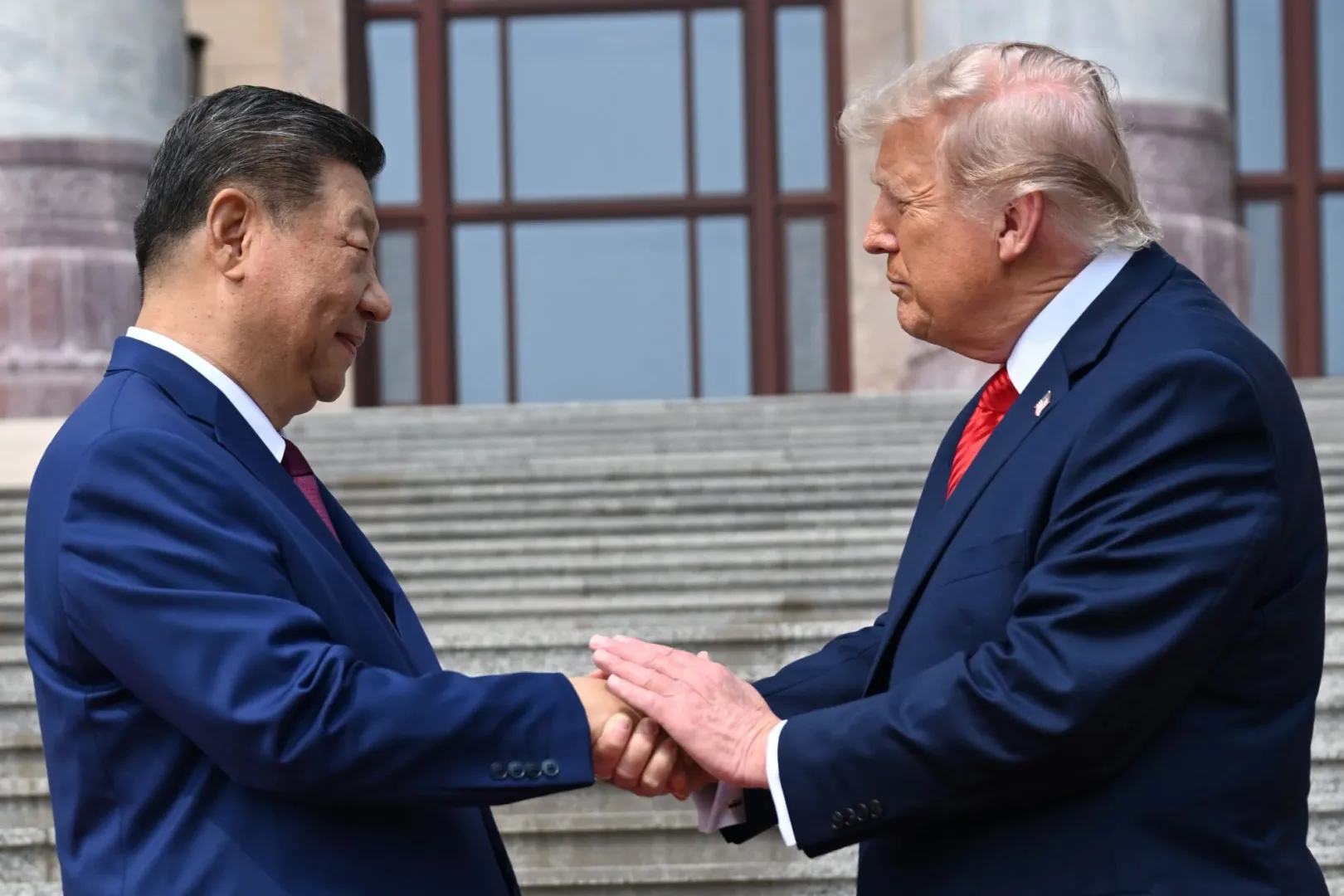
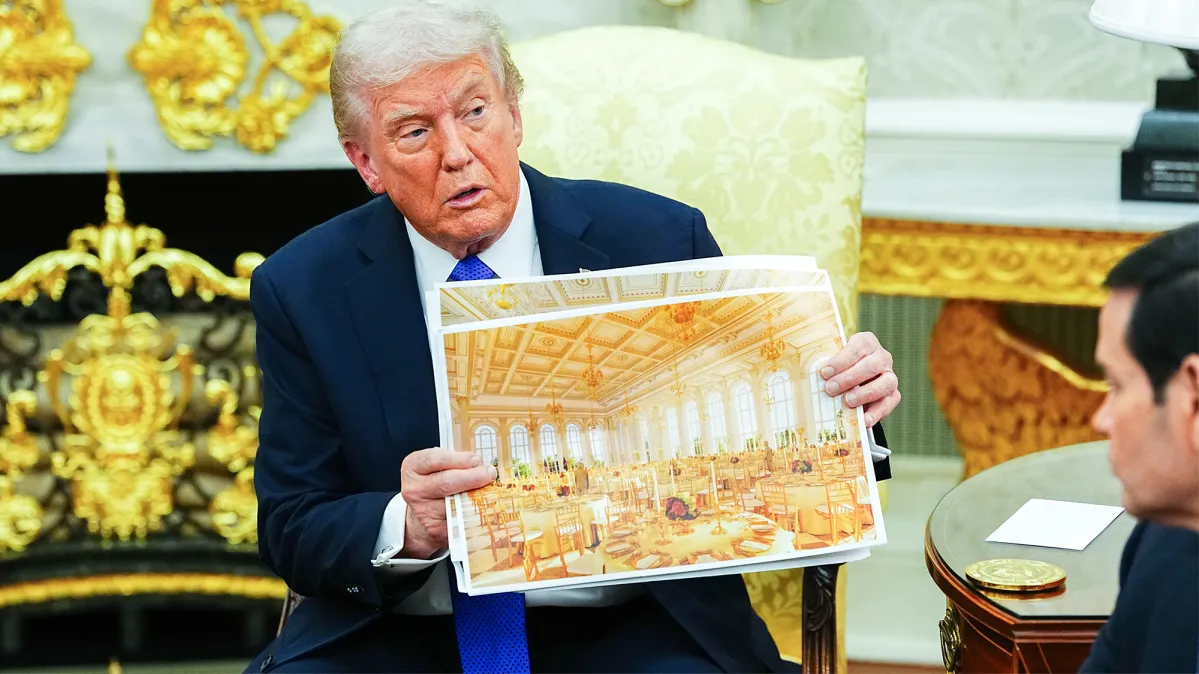
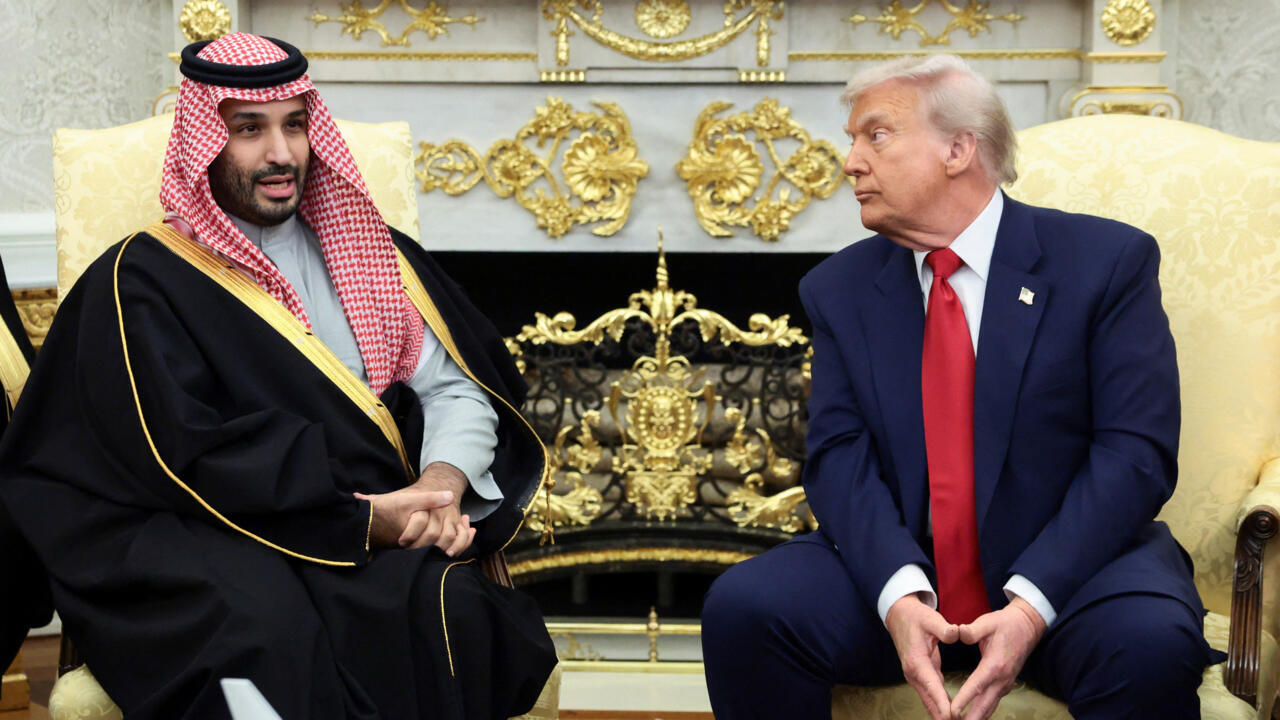
Meanwhile, the White House staged an elaborate welcome for Crown Prince Mohammed bin Salman. The ceremony featured cannons, a military band, and a fighter-jet flyover above the South Lawn. A black-tie dinner with 120 guests capped the day, underscoring the administration’s close ties with Riyadh. Trump praised MBS as a “visionary leader” and downplayed the CIA’s conclusion that the prince approved Jamal Khashoggi’s killing.
“He knew nothing about it, and we can leave it at that,” Trump told reporters, defending his guest.
The visit also included announcements of Saudi investments in U.S. AI infrastructure and civil nuclear cooperation, plus a pledge to raise investments from $600 billion to nearly $1 trillion.
On the defense front, Trump confirmed the sale of F-35 fighter jets to Saudi Arabia. The deal, which could involve up to 48 aircraft, marks a major shift in U.S. policy. Each jet costs about $77 million, making this one of the most expensive arms agreements in history. The move raises concerns over Israel’s qualitative military edge and technology security, given Saudi Arabia’s ties with China. Congressional approval and export licensing remain pending, but Trump insists the kingdom has been “a great ally.”
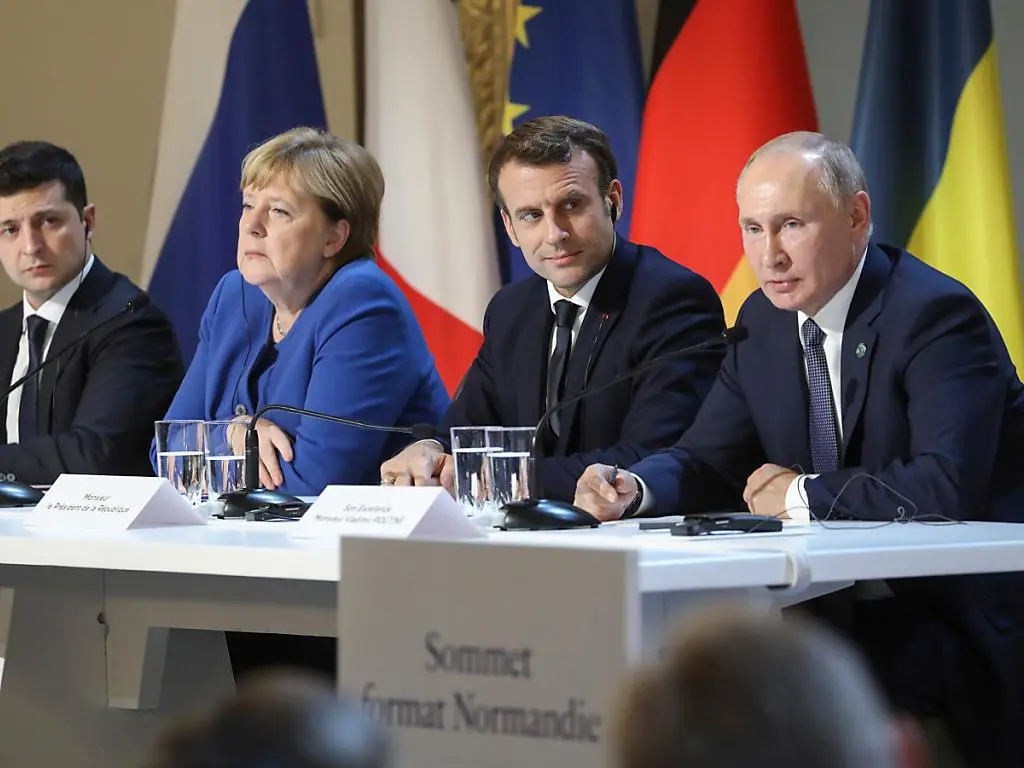
In Eastern Europe, Ukraine faces its biggest wartime corruption scandal. Operation Midas, a 15-month probe, uncovered a $100 million kickback scheme at Energoatom, the state nuclear operator. Investigators allege contractors paid bribes worth 10–15% of contract values to secure deals. Among those implicated is Timur Mindich, a former business partner of President Zelensky, and Justice Minister Herman Halushchenko, who resigned after raids on 70 locations. Auhtorities have detained five suspects and published audio tapes revealing discussions of illicit payments.
“This is absolutely unacceptable,” Zelensky said, urging swift accountability.
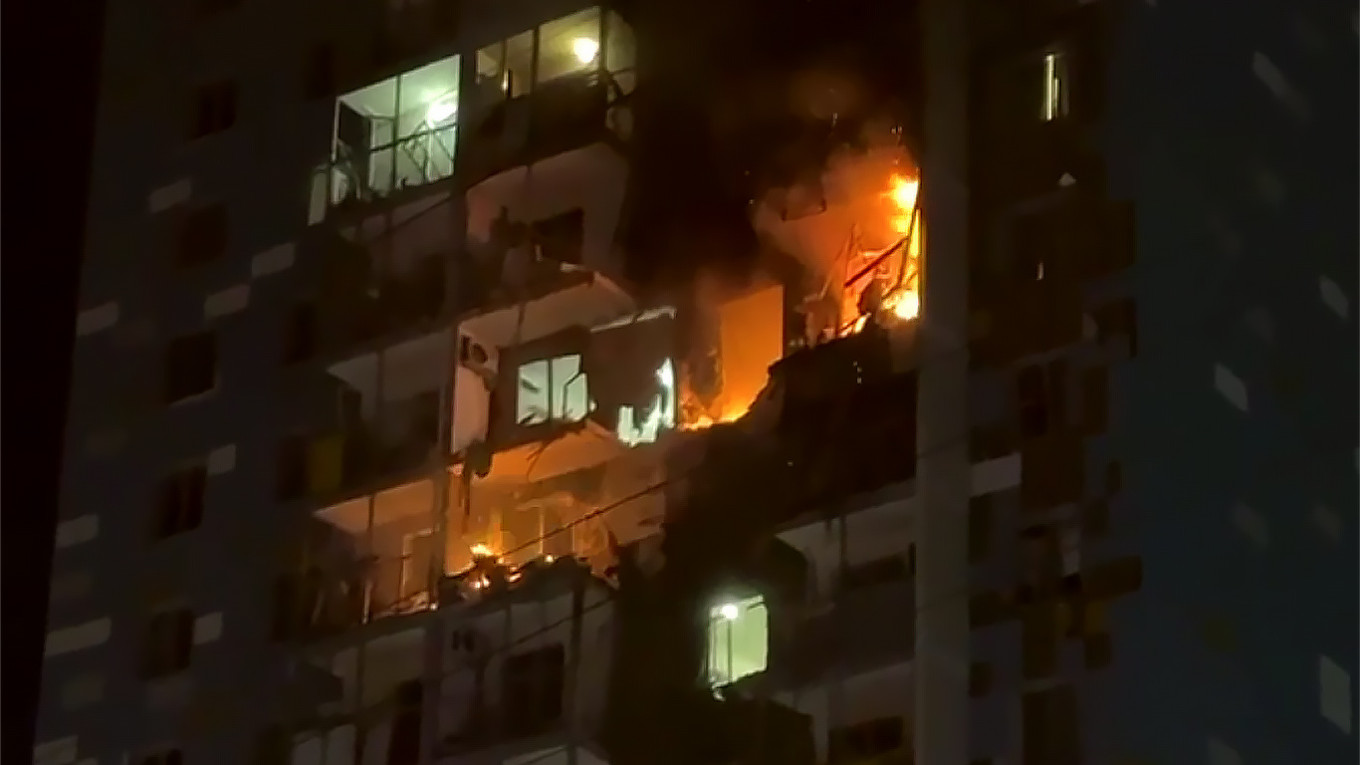
Analysts warn the scandal could erode Western confidence in Kyiv’s governance as the country battles Russian strikes on energy infrastructure.