Since invading Ukraine in 2022, Russia has built a “ghost fleet” (or shadow fleet), a network of oil tankers designed to bypass Western sanctions. This fleet includes 600 to 1,000 ships, often old and sailing under flags of convenience from countries like Benin or Panama.
Thanks to this system, Moscow has continued to earn over $100 billion annually from energy exports.
In September 2025, Panama revoked the registration of more than 200 Russian tankers after talks with Ukraine. As a result, some ships now sail without a clear flag, exposing them to legal interception under Article 110 of the UN Convention on the Law of the Sea.
Tankers Turned into Drone Platforms: Hybrid Warfare at Sea
Some tankers allegedly serve as bases for spy drones. Ukraine accuses the ghost fleet of launching surveillance drones targeting European cities.
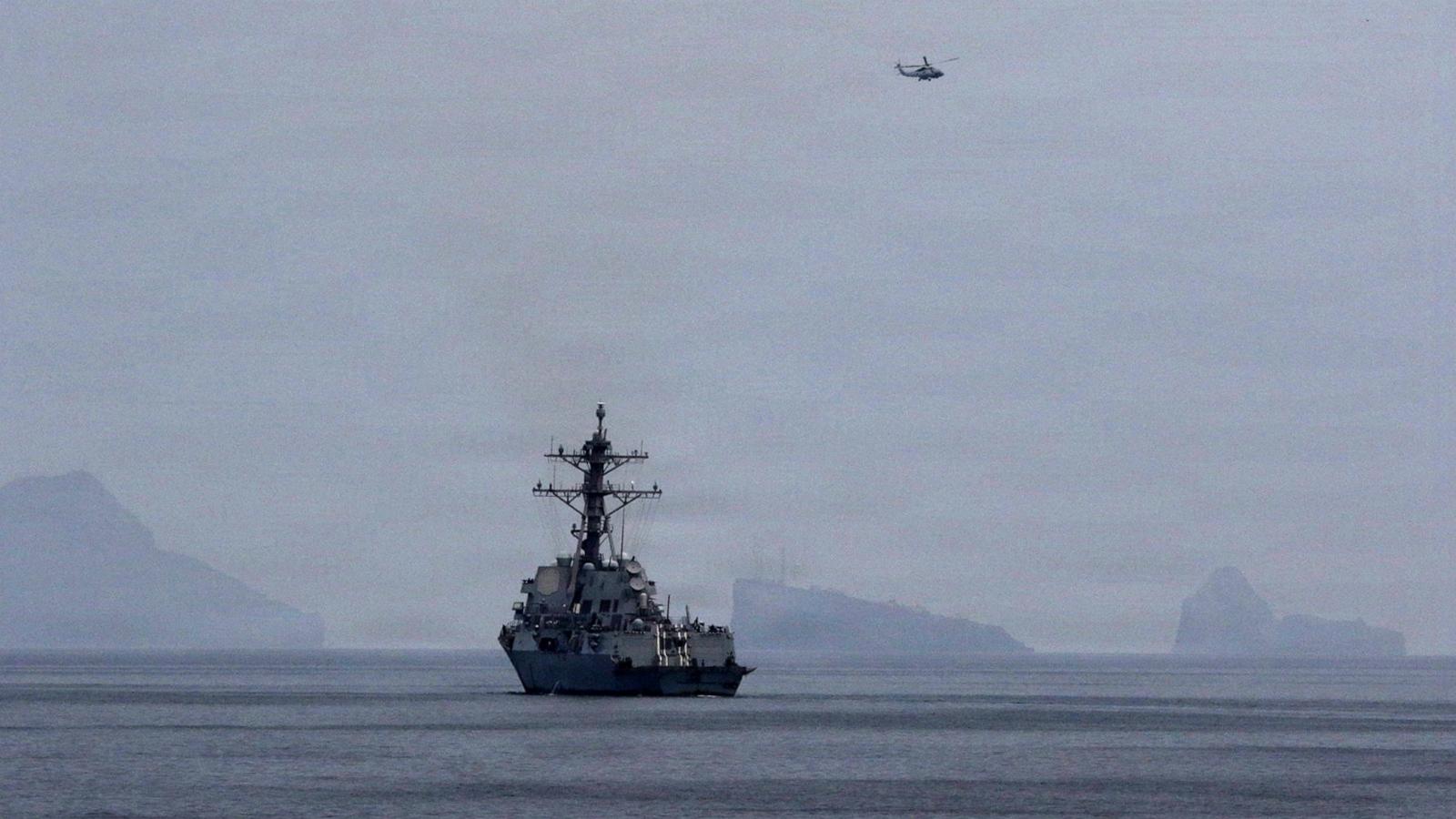
The Boracay tanker, intercepted by the French Navy in October 2025, was reportedly used for these hybrid operations, combining oil transport and espionage.
A Shadowy Financial Network Linking India, China, and Crypto
These ships frequently change names and MMSI numbers to hide their origin. For example, the Boracay, built in 2007 under a Benin flag, was renamed multiple times.
It carried 750,000 barrels of Russian Urals crude to India before being forced to anchor near Saint-Nazaire (France) for failing to prove its nationality.
These tankers lack Western insurance. Instead, they rely on opaque reinsurance schemes and cryptocurrency payments via intermediaries in India and China.
The EU plans to ban such reinsurance in its 19th sanctions package, adding 120 ships to a blacklist already covering 568 vessels.
Macron’s Bold Move: A Coalition to Stop the Fleet
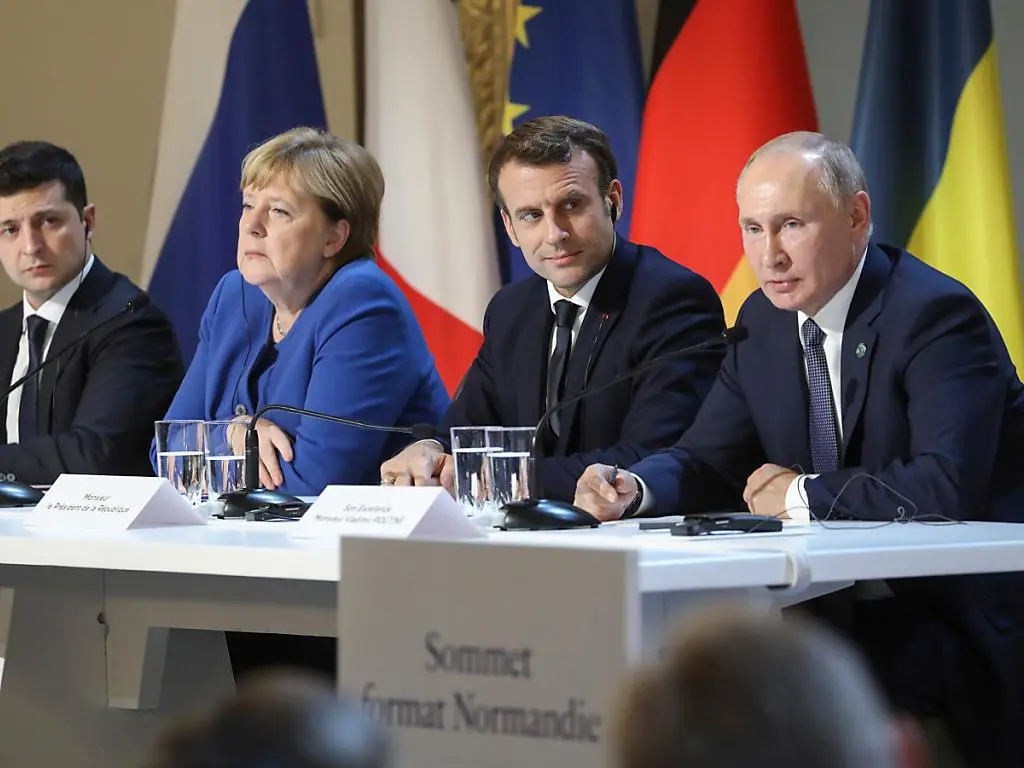
In October 2025, Emmanuel Macron proposed a “Coalition of the Willing” with NATO to delay these tankers, even for a few days, to “destroy their economic model.”
The plan includes discreet calls to shoot down drones launched from these ships. It links the fleet to hybrid warfare against Europe.
Ecological Time Bomb Ignored by Global Debates
The ghost fleet has tripled since 2022, with at least 38 ships over 20 years old. This situation raises the risk of major accidents.
A report from the Kyiv School of Economics warns of a potential ecological disaster, similar to past tanker wrecks.
NGOs like Dark Waters Initiative argue this is more than rusty ships. It’s a system involving illicit transfers, surveillance, and war financing.
Of 1,000 ships identified, 400 remain unsanctioned. Historically, similar fleets existed for Iran or Venezuela, but Russia’s scale makes global waters far more dangerous.