Historical Context: From Russian Territory to American State
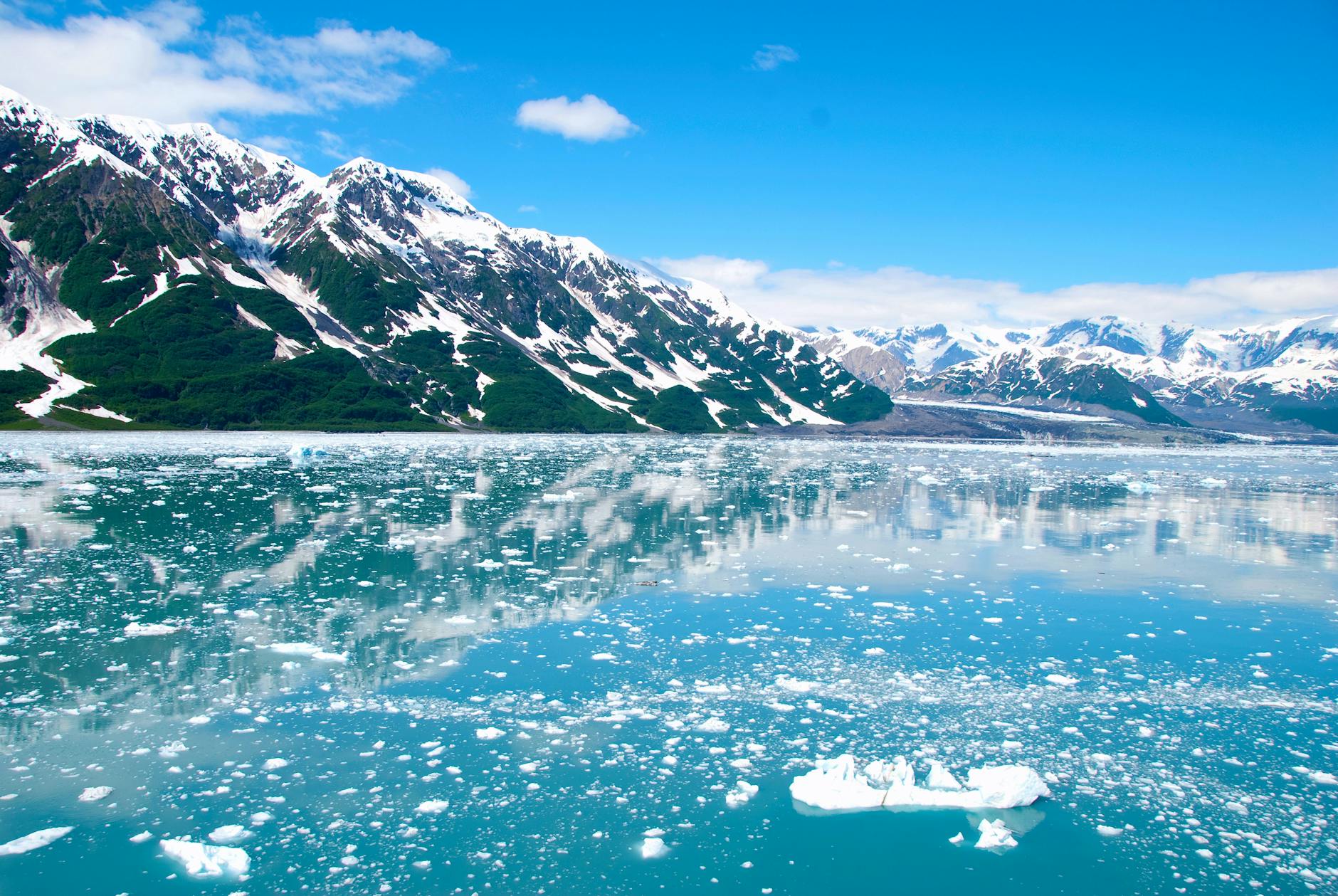
Alaska, the largest state in the United States by land area, has a rich and complex history that shapes its current status. The region was originally inhabited by Indigenous peoples, including the Inuit, Tlingit, Haida, and Athabascans, for thousands of years before European exploration. In the 18th century, Russian explorers and traders, led by figures like Vitus Bering, claimed the territory for the Russian Empire, establishing settlements and exploiting resources like furs.
By the mid-19th century, Russia faced financial strain and strategic challenges in maintaining its distant Alaskan colony. In 1867, under the direction of U.S. Secretary of State William Seward, the United States purchased Alaska from Russia for $7.2 million, roughly two cents per acre.
This transaction, known as the “Alaska Purchase” or derisively as “Seward’s Folly,” was initially met with skepticism by some Americans who saw the remote territory as a frozen wasteland. However, the discovery of gold in the late 19th century and later oil reserves validated Seward’s vision.
Alaska officially became the 49th state of the United States on January 3, 1959, following decades as a U.S. territory. Today, it is fully integrated into the U.S., with a state government, representation in Congress, and a population of approximately 730,000 as of 2025. The state’s capital is Juneau, though Anchorage is its largest city and economic hub.
Current Ownership and Governance
Alaska is unequivocally a part of the United States, governed under the U.S. Constitution. It has two U.S. senators and one representative in the House, like other states, and its residents are U.S. citizens. The state operates under a governor, currently Mike Dunleavy (as of 2025), and maintains its own legislature. Alaska’s economy is driven by natural resources, including oil, natural gas, fishing, and tourism, with significant federal investment due to its strategic military importance.
No credible international claims challenge U.S. sovereignty over Alaska. Russia, despite its historical ownership, has not officially contested U.S. control since the 1867 sale, though occasional nationalist rhetoric from Russian figures has referenced Alaska in jest or provocation. Such statements lack legal or diplomatic weight and are generally dismissed as posturing.
Geopolitical Significance in 2025
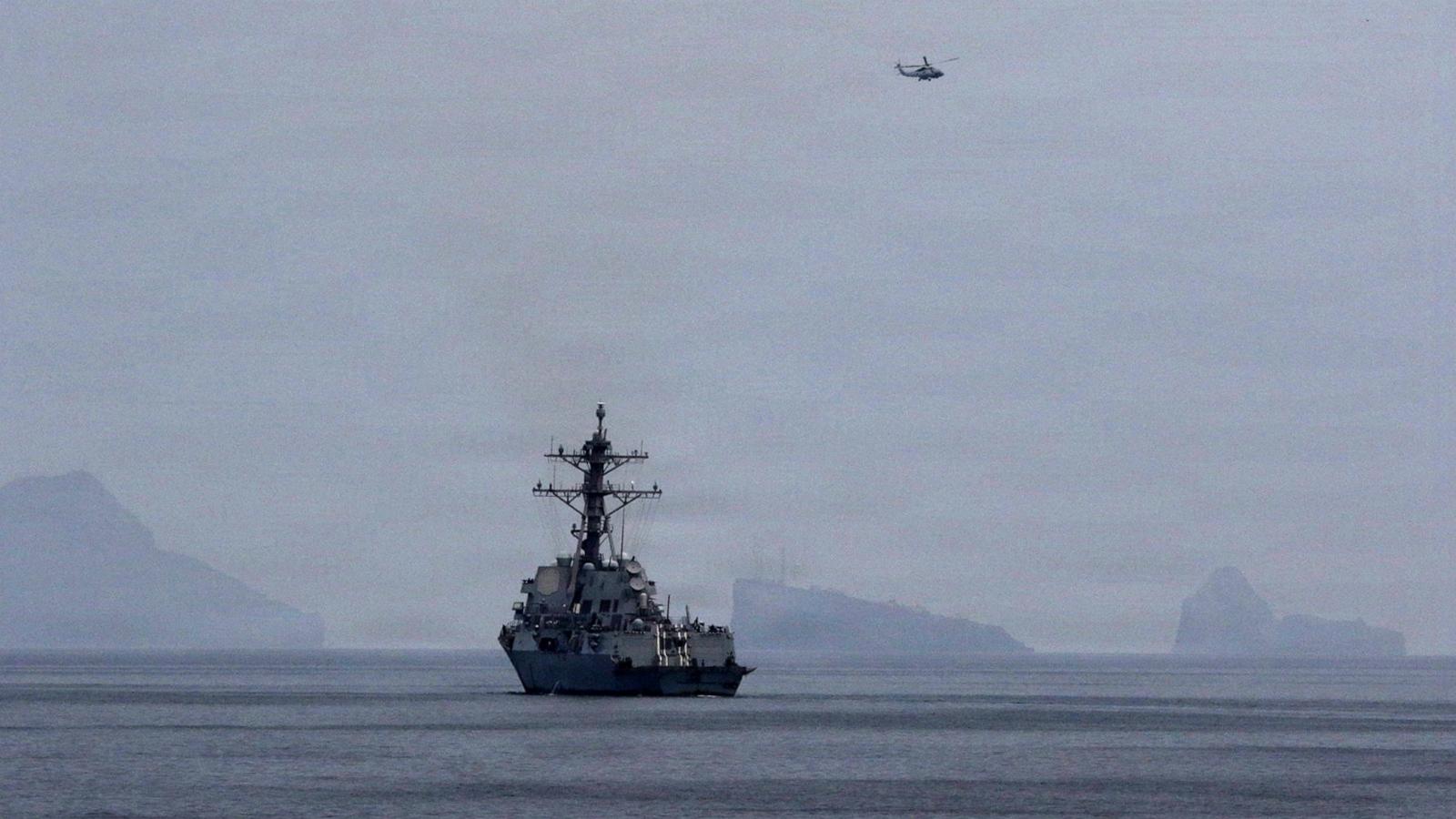
Alaska’s strategic importance has grown in recent years, particularly in the context of global tensions and Arctic competition. Its proximity to Russia – less than 55 miles from Siberia across the Bering Strait – makes it a critical geopolitical hotspot. The state hosts significant U.S. military installations, including Joint Base Elmendorf-Richardson and missile defense systems, which serve as a deterrent against potential threats from Russia or other actors.
The ongoing war in Ukraine and strained U.S.-Russia relations, highlighted by the planned Trump-Putin summit in Alaska (as reported by The Atlantic on August 10, 2025), underscore the state’s role as a diplomatic and strategic frontier. Alaska’s selection as a meeting point reflects its symbolic position as a bridge between East and West, as well as its practical advantages as a remote yet accessible U.S. territory for high-stakes talks.
Moreover, the Arctic region, including Alaska, is increasingly vital due to climate change and resource competition. Melting ice has opened new shipping routes and access to untapped oil, gas, and mineral reserves, drawing interest from Russia, China, and other Arctic nations. Alaska’s position makes it central to U.S. efforts to assert influence in the Arctic Council and counter Russian and Chinese ambitions in the region.