The claim that the war in Ukraine is “Europe’s worst conflict since World War II” can be evaluated by comparing its scale, impact, and consequences to other post-WWII European conflicts.
Scale and Impact of the Ukraine-Russia Conflict (2022–Present)
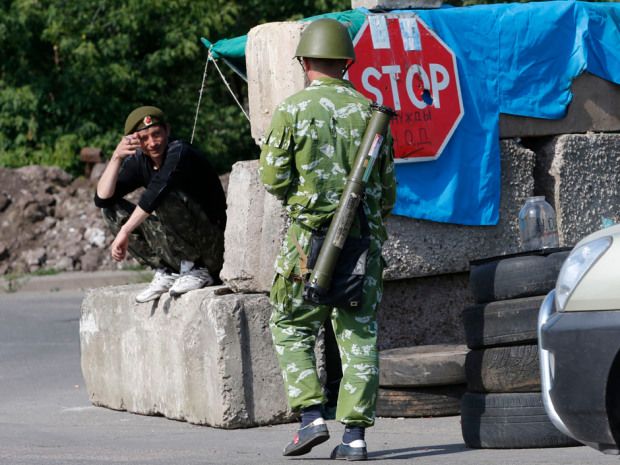
Casualties: The war has caused significant loss of life. Estimates suggest tens of thousands of military deaths on both sides, with Ukraine reporting over 500,000 combined military casualties (killed and wounded) by mid-2025. Civilian deaths are estimated in the tens of thousands, with millions displaced internally and externally.
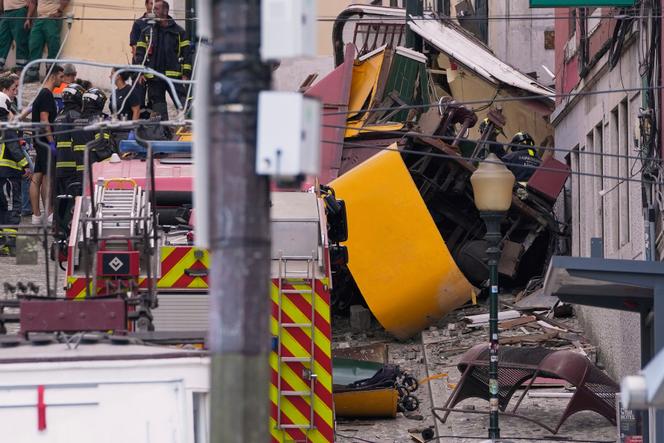
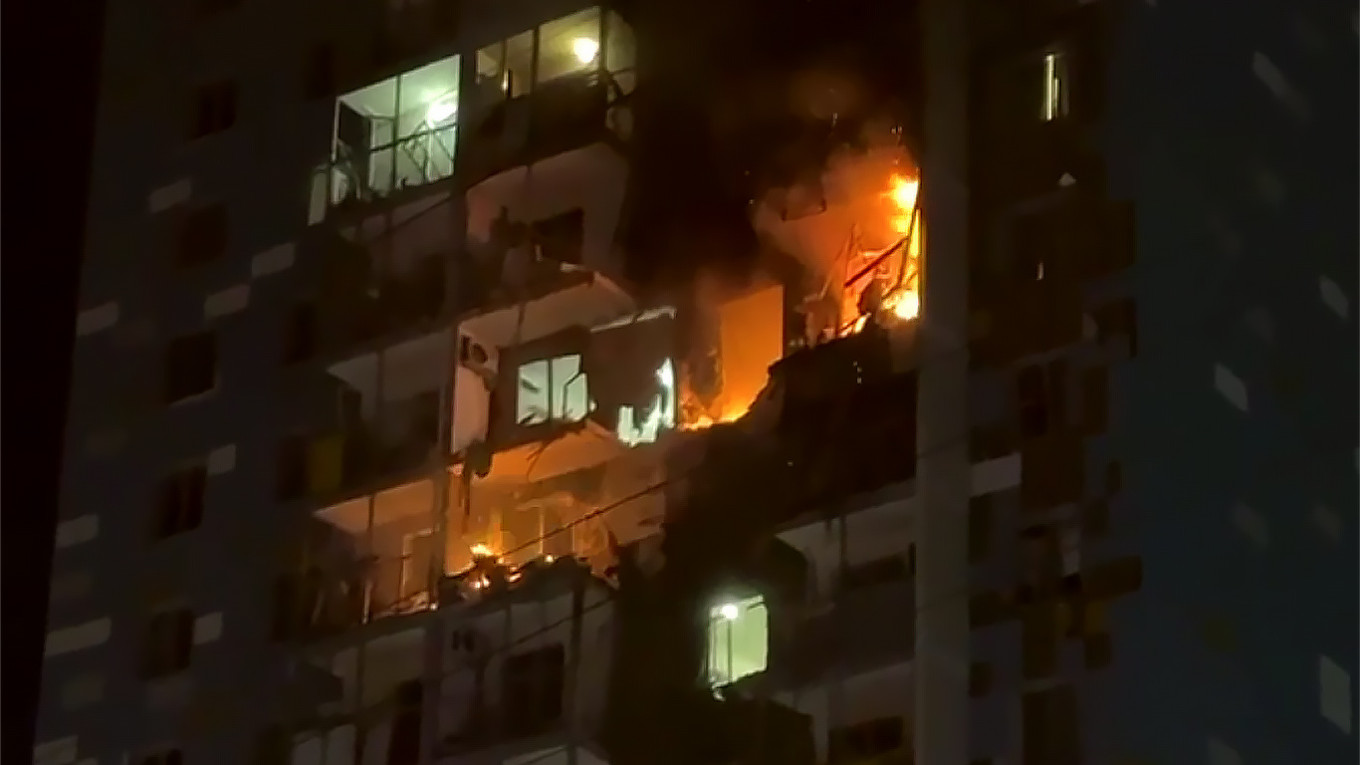
Destruction: Entire Ukrainian cities like Mariupol and Bakhmut have been devastated, with infrastructure damage costing hundreds of billions of dollars.
Geopolitical Impact: The conflict has reshaped European security, prompted NATO’s expansion, and led to widespread sanctions against Russia, affecting global energy and food markets.
Duration and Scope: Ongoing since February 2022, it’s a large-scale conventional war involving modern weaponry, cyberattacks, and nuclear rhetoric, with no immediate end in sight.
Comparison to Other Post-WWII European Conflicts
Yugoslav Wars (1991–2001):
Casualties: Approximately 140,000 deaths across conflicts in Croatia, Bosnia, and Kosovo, with around 4 million displaced.
Destruction: Widespread, particularly in Bosnia (e.g., Sarajevo siege), but smaller in geographic scope than Ukraine.
Impact: Involved ethnic cleansing and war crimes, leading to NATO intervention and the breakup of Yugoslavia. It was devastating but regionally confined.
Comparison: The Yugoslav Wars were horrific, with high per capita casualties and ethnic violence, but the Ukraine conflict surpasses it in total casualties, economic impact, and global ramifications.
Chechen Wars (1994–1996, 1999–2009):
Casualties: Estimates range from 50,000 to 100,000 deaths (mostly civilians in the First Chechen War) and significant displacement.
Destruction: Grozny was heavily destroyed, but the conflict was localized to Chechnya.
Impact: Primarily a Russian internal conflict, with limited spillover into Europe’s broader security framework.
Comparison: The Ukraine war’s scale, international involvement, and economic disruption are far greater.
Other Conflicts:
Nagorno-Karabakh (1988-1994, 2020): Significant regionally but smaller, with thousands of deaths.
Georgia-Russia War (2008): Brief, with around 1,000 deaths and limited territorial impact.
Northern Ireland Troubles (1968-1998): Approximately 3,500 deaths, confined to a specific region with less widespread destruction.
Why Ukraine Stands Out
Scale of Combat: The Ukraine-Russia war involves large-scale conventional warfare, with frontlines spanning hundreds of miles, unlike the more localized or guerrilla-style conflicts in Yugoslavia or Chechnya.
Global Consequences: It has triggered Europe’s largest refugee crisis since WWII (over 8 million Ukrainian refugees), disrupted global food and energy supplies, and heightened nuclear risks.
Casualty Numbers: While exact figures are debated, the sheer volume of military and civilian casualties exceeds most post-WWII European conflicts.
Geopolitical Stakes: The war challenges the post-WWII European order, with NATO’s direct involvement (via aid) and Russia’s isolation reshaping alliances.
Caveats
The Yugoslav Wars were arguably more brutal in terms of ethnic cleansing and per capita impact, but their total scale was smaller.
Exact casualty figures for Ukraine are hard to verify due to ongoing fighting and restricted access to data.
The term “worst” is subjective, encompassing not just casualties but also societal, economic, and geopolitical disruption.
Conclusion
Yes, the war in Ukraine can reasonably be described as Europe’s worst conflict since World War II due to its massive scale, high casualty count, widespread destruction, and profound global impact. It surpasses the Yugoslav Wars and other post-WWII conflicts in scope and consequences, though the Yugoslav Wars were comparably devastating in terms of localized brutality.