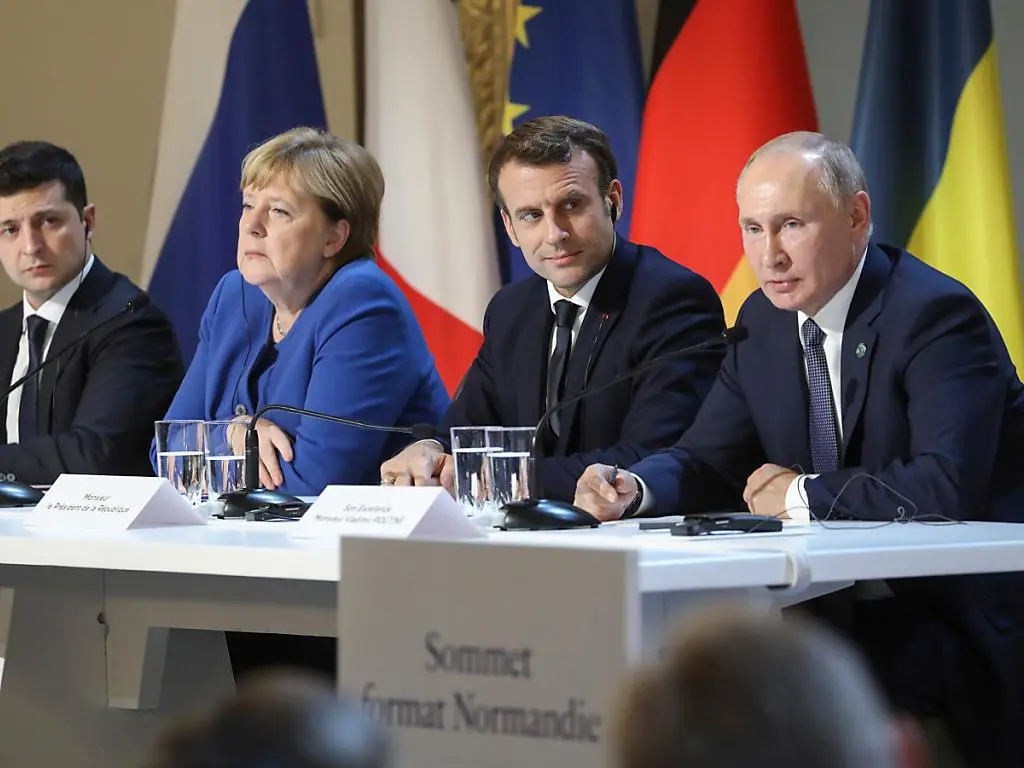
Diplomacy faces a critical test. The United States and Ukraine have agreed on the core terms of a peace proposal aimed at ending Russia’s nearly four-year war. Negotiations in Geneva and Abu Dhabi reduced the original 28-point plan to 19 points, but Russia has yet to respond. Ukrainian President Volodymyr Zelensky is expected to visit Washington soon to finalize details with President Trump. While the White House calls remaining issues “sensitive but not insurmountable,” critics warn that concessions – such as limits on Ukraine’s military – could undermine sovereignty. European allies are scrambling to influence the process, even offering Russia a return to the G8 as part of a counterproposal.

Meanwhile, neuroscience is rewriting old assumptions. A groundbreaking study from the University of California, Santa Cruz reveals that human brain cells are not a blank slate at birth. Researchers grew three-dimensional brain organoids and observed that about 28% of neurons consistently fired in the same temporal order during bursts of activity, forming a stable “backbone” sequence for months. This pattern emerged without any sensory input, challenging the century-old Tabula Rasa theory and suggesting that our brains come pre-equipped with computational scaffolding rather than building it entirely through experience. The findings, published in Nature Neuroscience, could reshape how scientists understand memory and cognition.
On the legal front, a dramatic twist. A federal judge dismissed criminal cases against former FBI Director James Comey and New York Attorney General Letitia James after ruling that the prosecutor who brought the indictments was unlawfully appointed. Lindsey Halligan, a former Trump attorney, lacked authority under federal law to serve as interim U.S. attorney beyond the 120-day limit.
Judge Cameron Currie wrote that “all actions flowing from Ms. Halligan’s defective appointment… must be set aside.”
The decision voids the indictments without prejudice, though Comey’s case may be barred by the statute of limitations.
In business, Sam Bankman-Fried is fighting back. The former FTX CEO, serving a 25-year sentence for fraud and conspiracy, has launched a public relations offensive while appealing his conviction. His legal team argues that the trial was unfair because the judge restricted evidence about legal advice he received. Appeals judges, however, reacted skeptically during hearings this month, noting “substantial evidence” of guilt. Bankman-Fried’s strategy includes media interviews, social posts attacking bankruptcy administrators, and even lobbying for a presidential pardon. According to analysts, while the appeal is unlikely to succeed, the PR campaign aims to recast him as a victim of prosecutorial overreach.
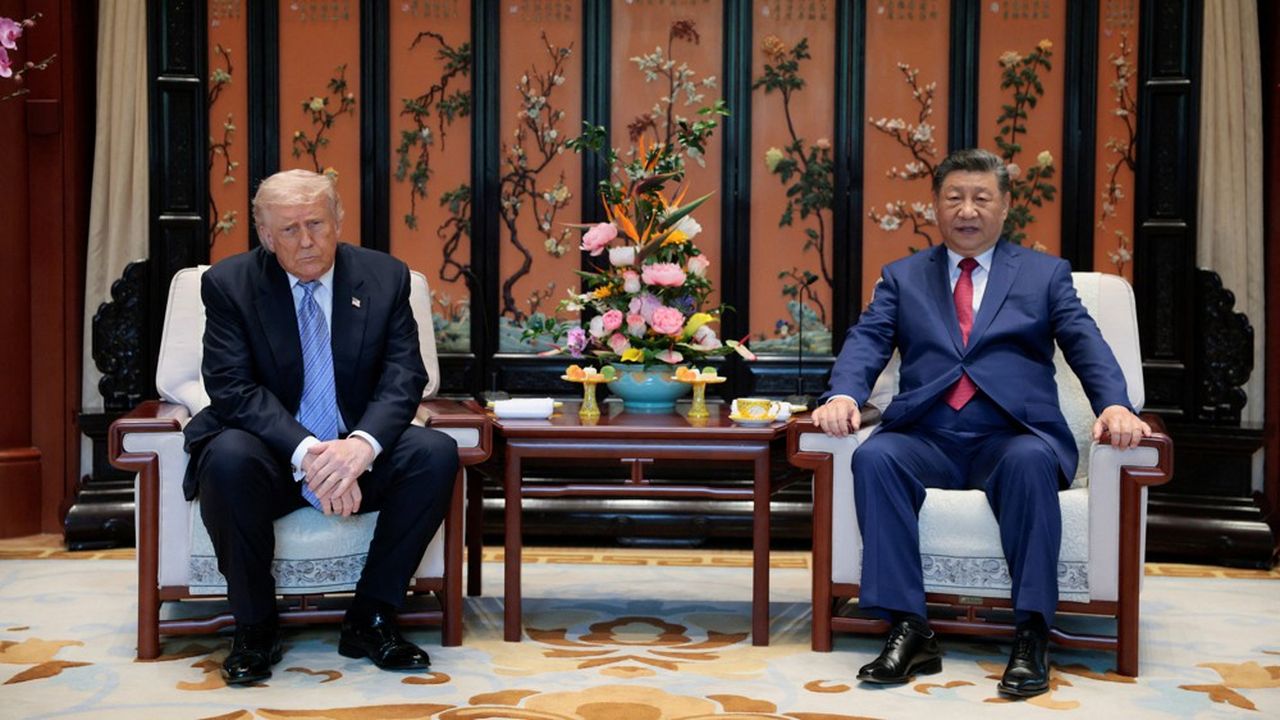
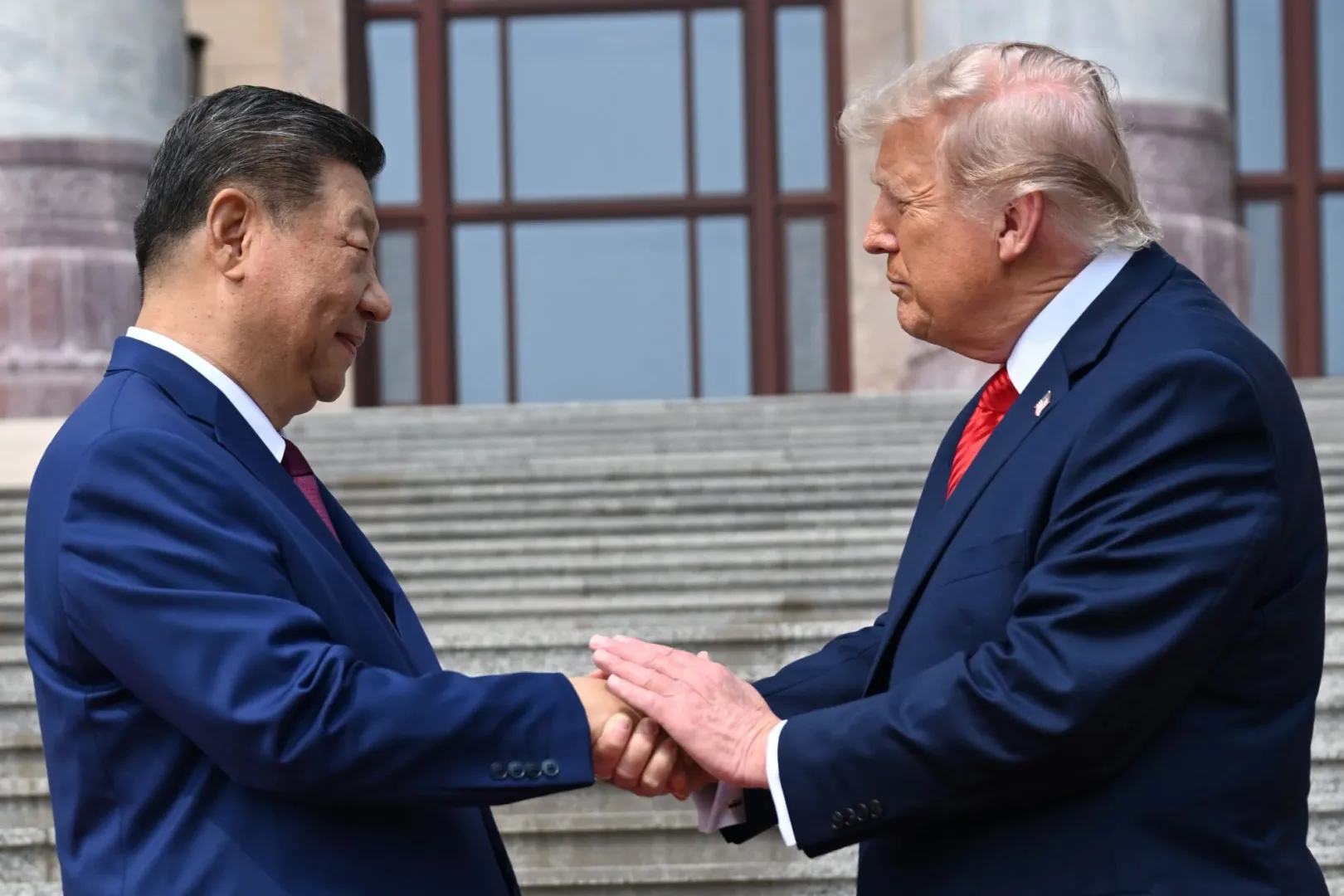
Across the Pacific, tensions rise over Taiwan. China has condemned Japanese Prime Minister Sanae Takaichi’s remarks suggesting Tokyo could respond militarily to a Chinese attack on Taiwan. Beijing issued travel warnings, suspended seafood imports, and staged military drills after Japan deployed missile units near the island. U.S. President Donald Trump held back-to-back calls with Xi Jinping and Takaichi, urging calm but avoiding public mention of Taiwan. The spat could drag on, with economic and diplomatic fallout for both nations.
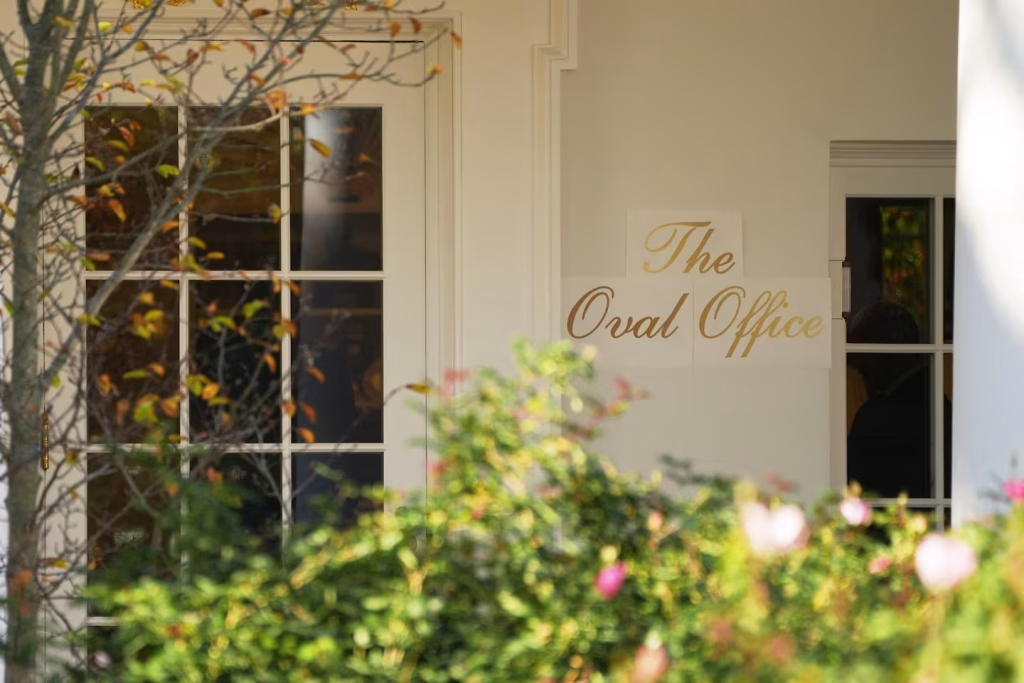
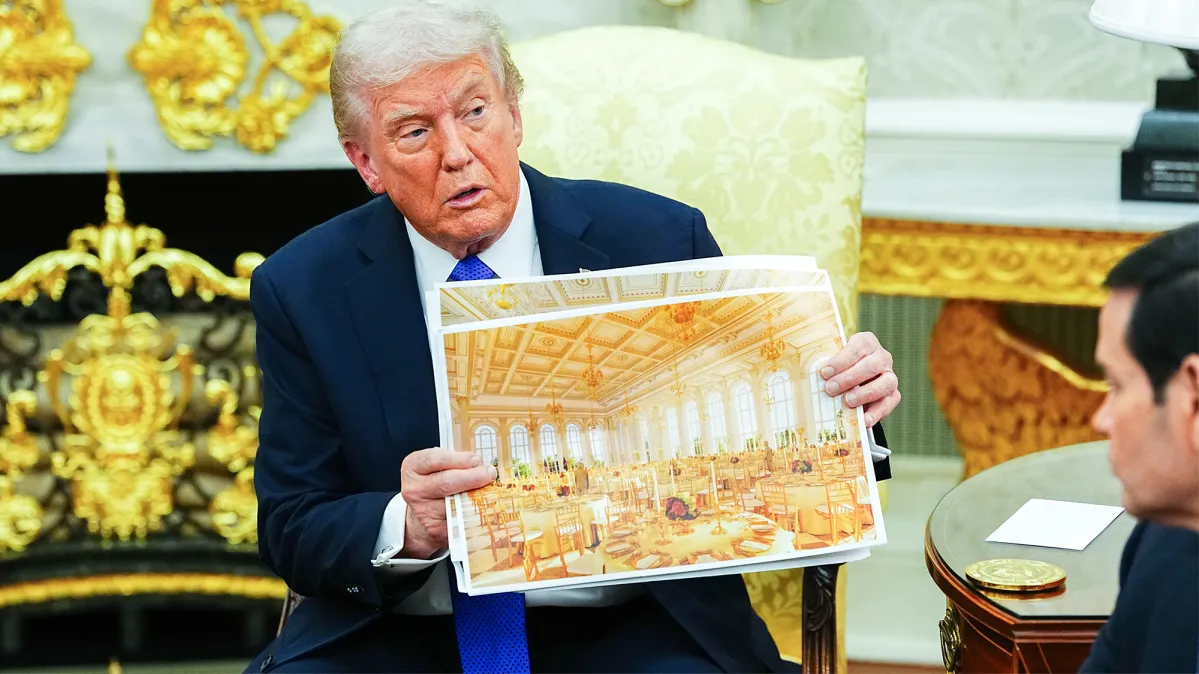
Finally, a controversy over aesthetics in Washington. A gold-script sign reading “The Oval Office” appeared outside the West Wing earlier this month, sparking ridicule and partisan debate. Critics likened the Shelley Script font to a “Cheesecake Factory logo,” while supporters called it a symbol of elegance. The sign has since vanished, but the White House insists President Trump personally chose the design as part of broader renovations, including a $300 million ballroom project. Design experts say the makeover clashes with the building’s neoclassical style, favoring a Versailles-inspired aesthetic heavy on gold accents.